Precious Metal Coatings vs. Standard Coatings: A Comprehensive Performance Analysis for Titanium Anodes
This technical report is specifically designed for professionals in the electrochemical industry, including:
◆
Engineers & Technical Specialists
First-line technical personnel in electroplating, water treatment, and hydrogen production industries seeking in-depth understanding of anode coating technologies.
◆
Process Engineers & Procurement Managers
Professionals responsible for production equipment selection and procurement decisions requiring comprehensive technical and cost analysis of anode coating options.
◆
Industrial Manufacturing Managers
Decision-makers who need to evaluate different anode coating solutions and make informed choices based on performance requirements and budget constraints.
◆
Research Scientists & Academics
Researchers in electrochemical materials science seeking detailed knowledge of titanium anode coating performance characteristics and applications.
This comprehensive analysis provides valuable insights that enable readers to:
Understand the fundamental differences between precious metal coatings (MMO/Pt) and standard coatings (PbO2) on titanium anodes
Evaluate technical performance characteristics including electrocatalytic activity, corrosion resistance, and energy efficiency
Identify optimal coating solutions for specific industrial applications based on operational requirements
Make data-driven decisions that balance initial investment against long-term operational costs and ROI
Achieve production efficiency optimization while ensuring sustainable and cost-effective operations
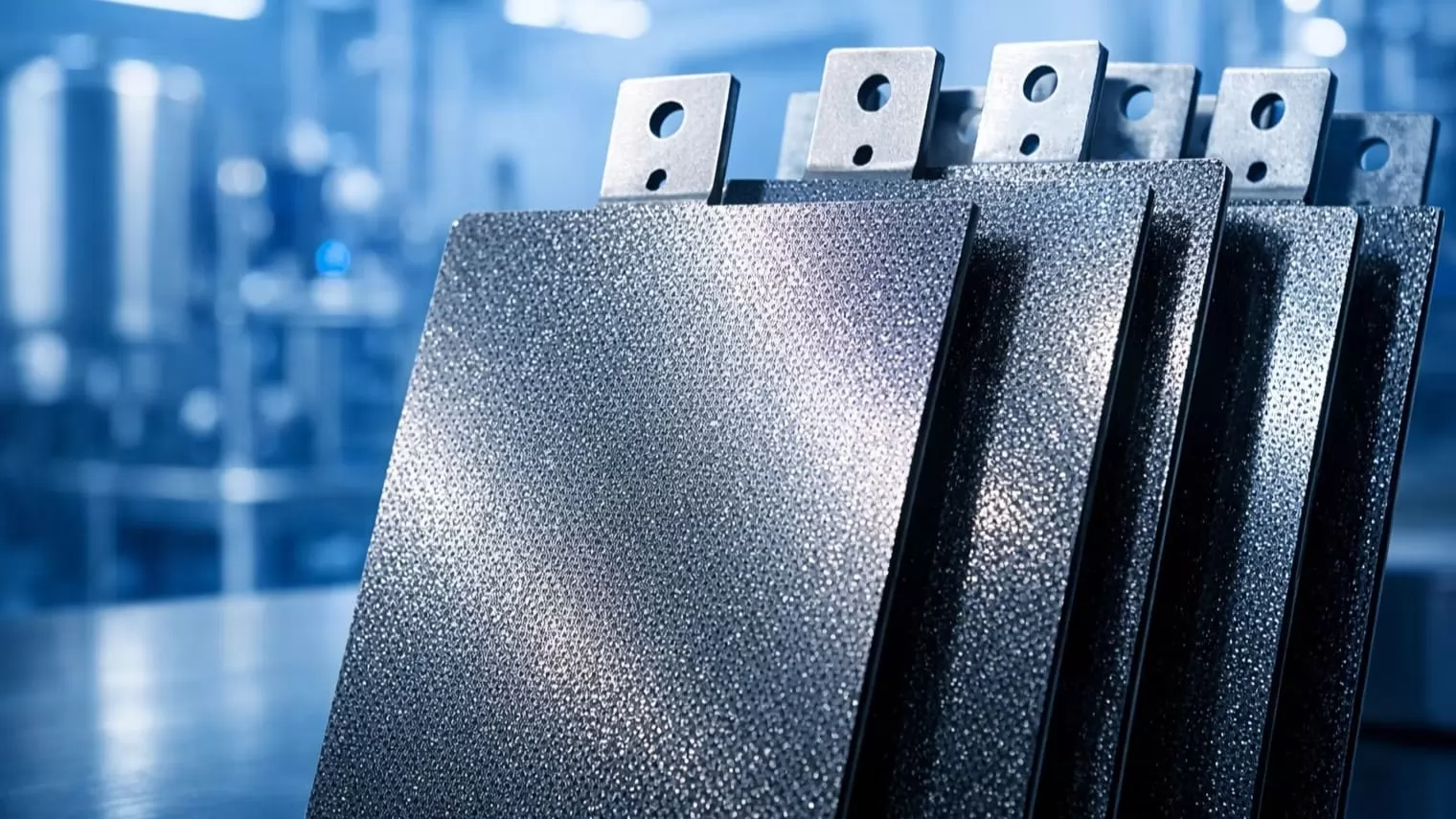
Titanium anodes are indispensable components in a multitude of electrochemical industries, including electroplating, water treatment, and hydrogen generation. The efficacy and operational lifespan of these anodes are profoundly influenced by the protective and catalytic coatings applied to their surfaces. This report provides an in-depth performance analysis, contrasting precious metal coatings with standard coatings on titanium anodes, to empower informed decision-making for diverse industrial applications.
The Fundamental Role of Anode Coatings
Anode coatings are not merely superficial layers; they are engineered to fulfill several critical functions that dictate the overall performance and economic viability of electrochemical processes. These functions include:
- Catalytic Activity: Coatings significantly enhance the rate of desired electrochemical reactions by lowering the activation energy, thereby improving current efficiency and reducing energy consumption.
- Corrosion Resistance: They act as a robust barrier, shielding the underlying titanium substrate from aggressive electrolytes and preventing its degradation, which is crucial for maintaining structural integrity and preventing contamination of the process solution.
- Extended Lifespan: By resisting wear, corrosion, and passivation, effective coatings dramatically prolong the operational life of the anode, reducing the frequency and cost associated with replacement and downtime.
- Energy Efficiency: Optimized coatings minimize overpotential, which is the excess voltage required to drive a reaction beyond its thermodynamic potential. This reduction in overpotential directly translates to lower operating voltages and substantial energy savings over time.
Precious Metal Coatings: The Apex of Performance
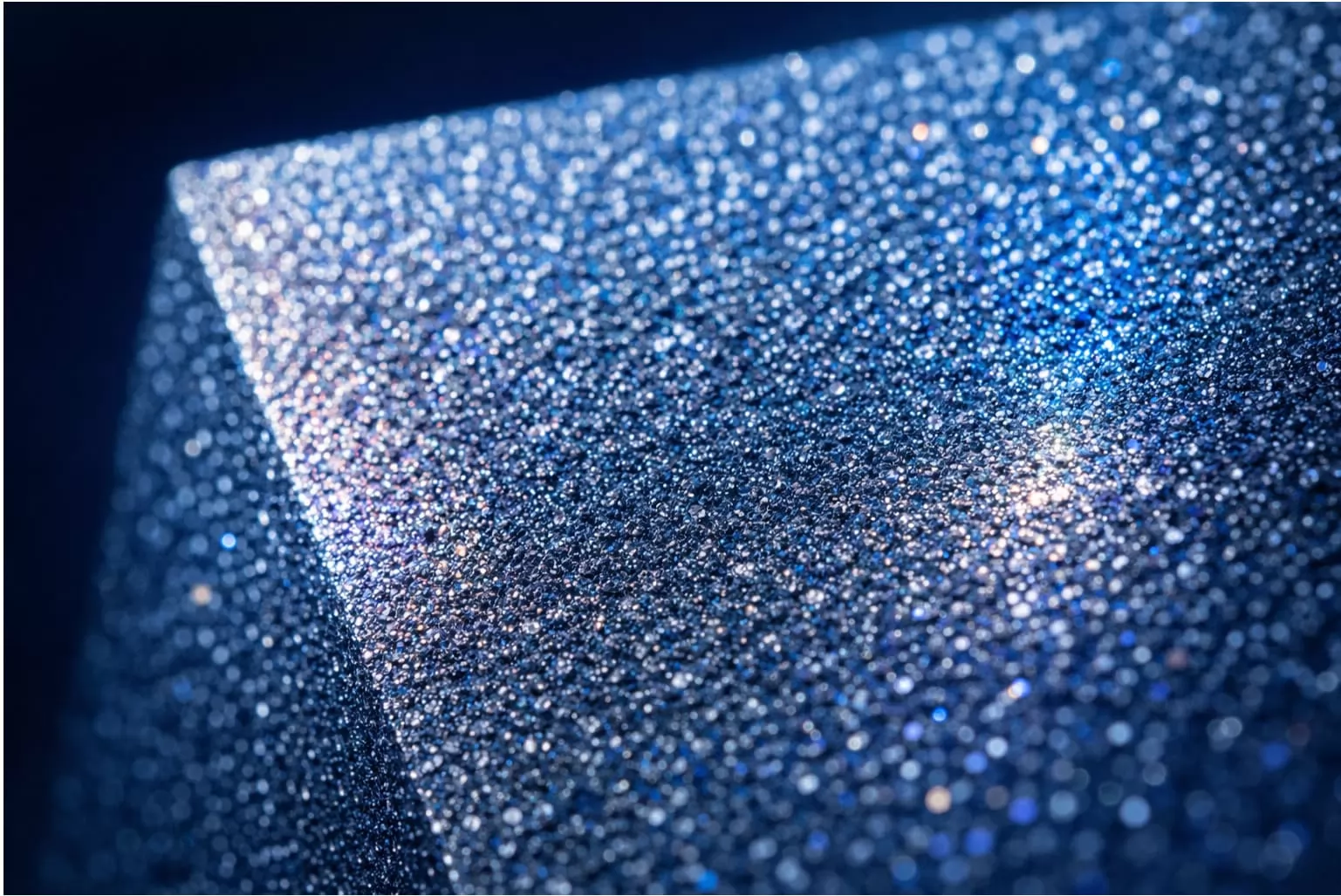
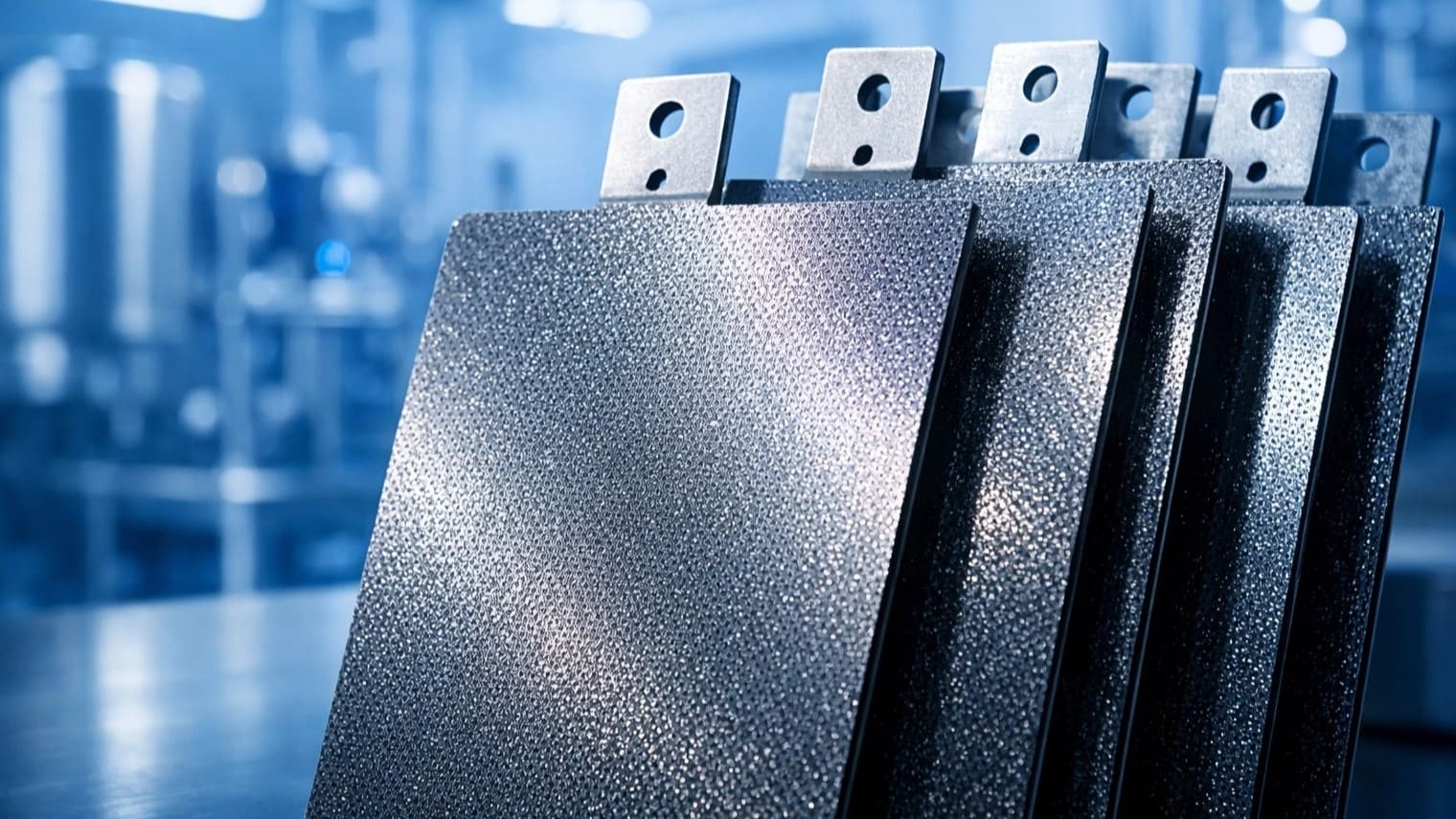
Precious metal coatings, predominantly Mixed Metal Oxide (MMO) formulations containing elements such as Ruthenium and Iridium, and pure Platinum (Pt) coatings, represent the pinnacle of anode technology due to their exceptional performance attributes.
Characteristics and Advantages:
Precious metal coatings offer a suite of advantages that justify their premium status:
- Superior Electrocatalytic Activity: Platinum-group metals are renowned for their outstanding electrocatalytic properties. This leads to significantly lower overpotentials and higher current efficiencies across a broad spectrum of electrochemical reactions. Specifically, MMO coatings, particularly those rich in Iridium and Ruthenium, exhibit high activity for oxygen and chlorine evolution reactions, making them ideal for processes like chlor-alkali production and water disinfection. The precise composition of the mixed oxides can be tailored to optimize performance for specific reactions, offering unparalleled versatility.
- Unrivaled Corrosion Resistance: The inherent inertness of precious metals provides extraordinary resistance to corrosive environments. This robust chemical stability ensures the anode's integrity even in highly aggressive acidic or alkaline solutions, preventing the dissolution of the titanium substrate and maintaining consistent, contamination-free performance throughout its operational life. This resistance is critical in preventing premature anode failure and ensuring product purity.
- Extended Operational Lifespan: The robust nature and exceptional resistance to degradation of precious metal coatings translate into significantly longer operational lifespans compared to most standard coatings. This longevity reduces the total cost of ownership by minimizing replacement frequency and associated labor.
- Enhanced Energy Efficiency: The low overpotential characteristic of these coatings directly results in reduced energy consumption during electrolysis. This efficiency is a major economic advantage, leading to substantial savings in electricity costs over the anode's extended service life, thereby improving the overall profitability of the electrochemical process.
Key Applications:
Precious metal coated titanium anodes are the preferred choice for demanding and high-value applications, including:
- The Chlor-alkali industry, where efficient chlorine and caustic soda production is paramount.
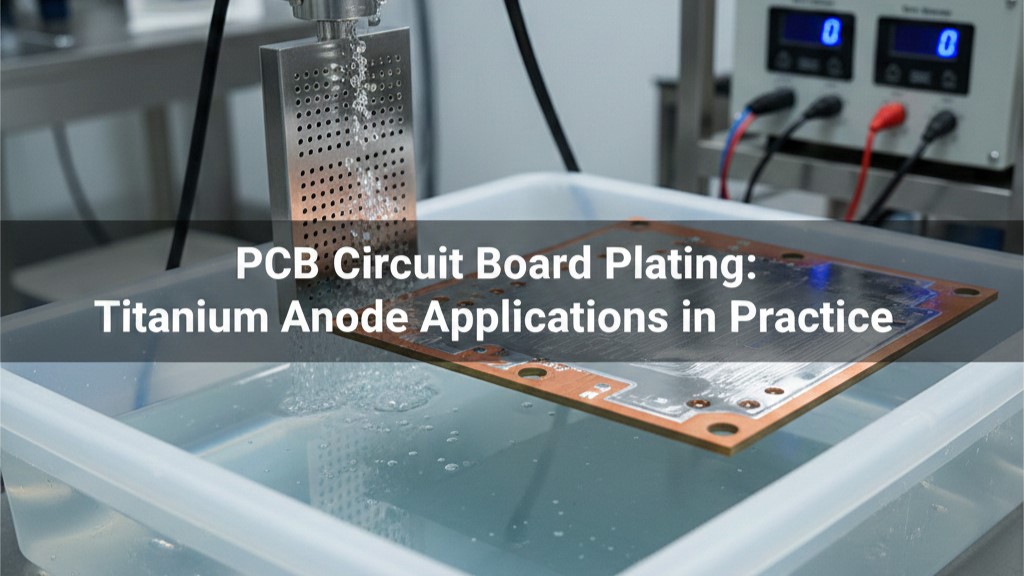
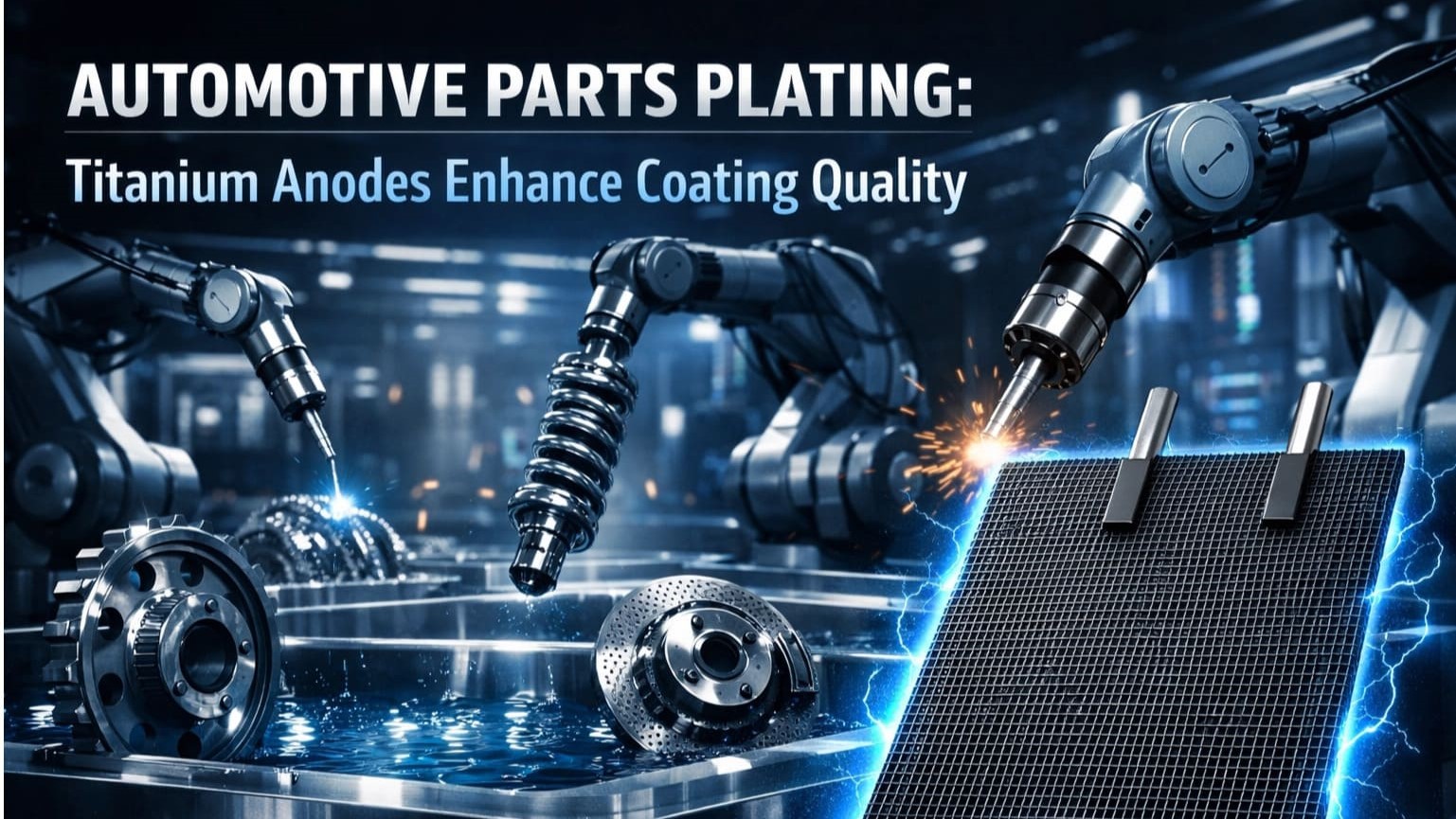
- Various electroplating processes, such as PCB circuit board plating and automotive parts plating, where coating uniformity, purity, and efficiency are critical.
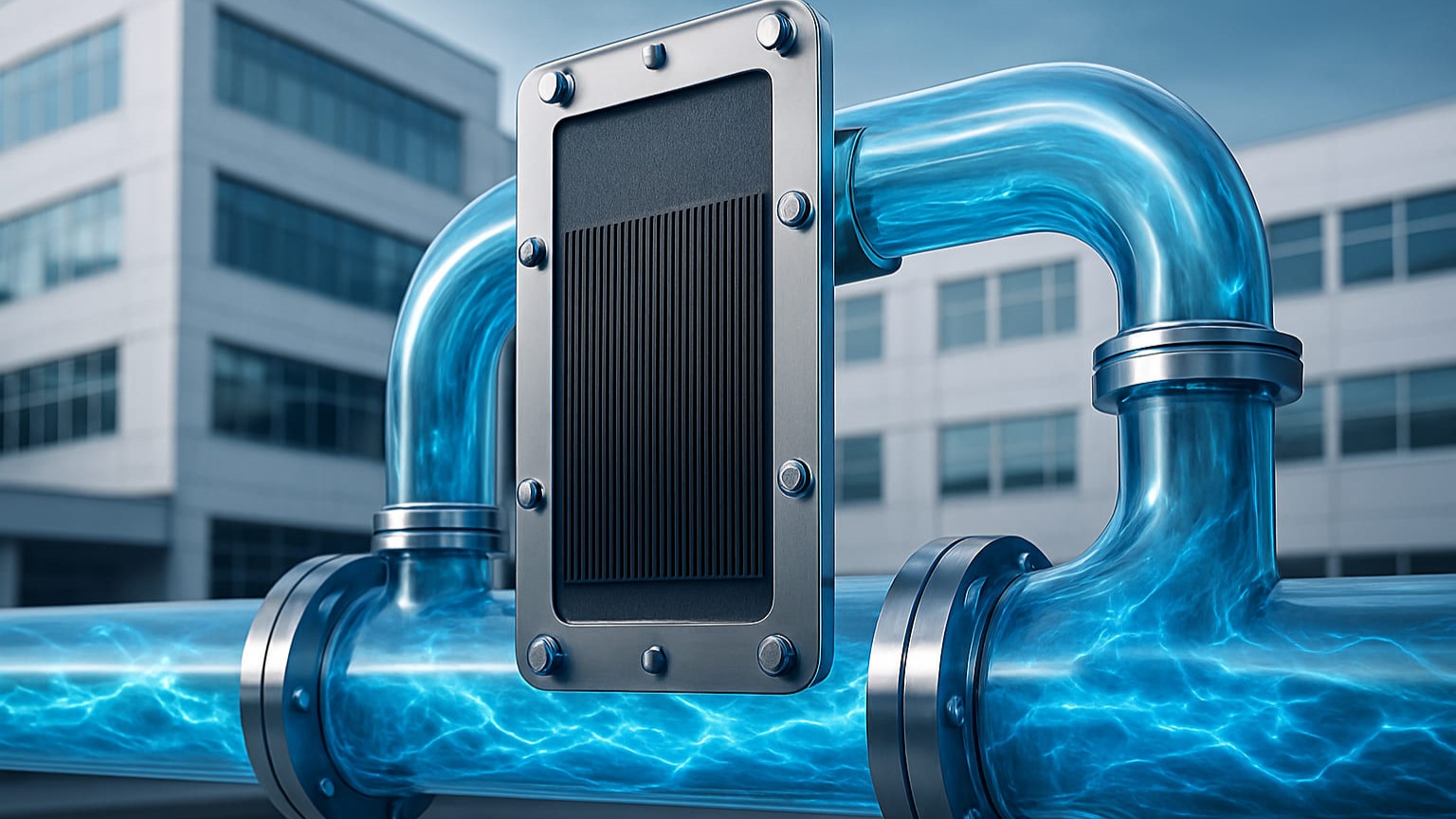
- Advanced water treatment systems, including hospital wastewater treatment, requiring effective removal of contaminants.
- Electrowinning and electrosynthesis, for the recovery of metals and the production of specialty chemicals.
- Cathodic protection systems, safeguarding structures against corrosion in marine and underground environments.
Standard Coatings: Strategic Alternatives
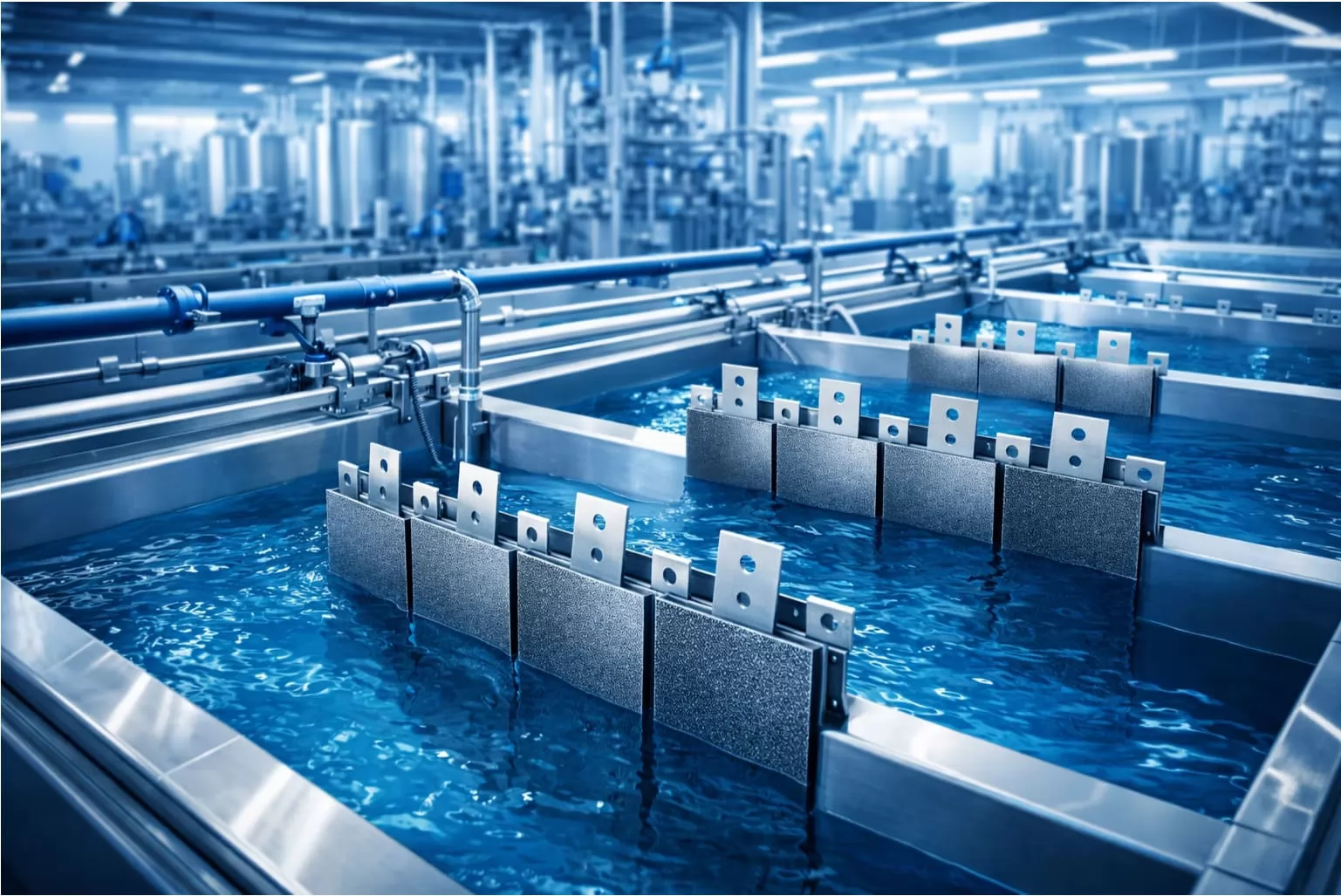
While precious metal coatings deliver superior performance, standard coatings offer viable and cost-effective alternatives for applications where the extreme performance of precious metals may not be strictly necessary or economically feasible. A prominent example of a standard coating is Lead Dioxide (PbO2).
Characteristics and Considerations:
Standard coatings, exemplified by PbO2, present a different set of characteristics:
- Cost-Effectiveness: PbO2 coatings are considerably less expensive than precious metal coatings. This makes them an attractive option for large-scale operations or projects with tighter budgetary constraints, where the initial capital outlay is a primary concern.
- Commendable Electrochemical Performance: PbO2 anodes exhibit good electrochemical activity and durability, particularly in acidic environments. They are well-regarded for their strong oxidation capabilities, making them suitable for processes requiring robust oxidative power.
- Chemical Stability: PbO2 coatings demonstrate good chemical stability and resistance to various corrosive media, contributing to a respectable operational life in appropriate conditions.
- Environmental and Regulatory Considerations: It is important to note that while PbO2 offers performance benefits, the presence of lead can pose environmental and regulatory challenges, particularly in applications where lead contamination must be strictly avoided.
Key Applications:
Standard coated titanium anodes, such as those with PbO2, find utility in applications like:
- Chromium electroplating, serving as an effective replacement for traditional lead anodes, offering improved performance and reduced environmental impact.
- Certain wastewater treatment processes, where their oxidative power can be effectively utilized.
- Electrosynthesis of organic compounds, particularly in acidic media.
Comparative Performance Analysis: A Detailed Overview
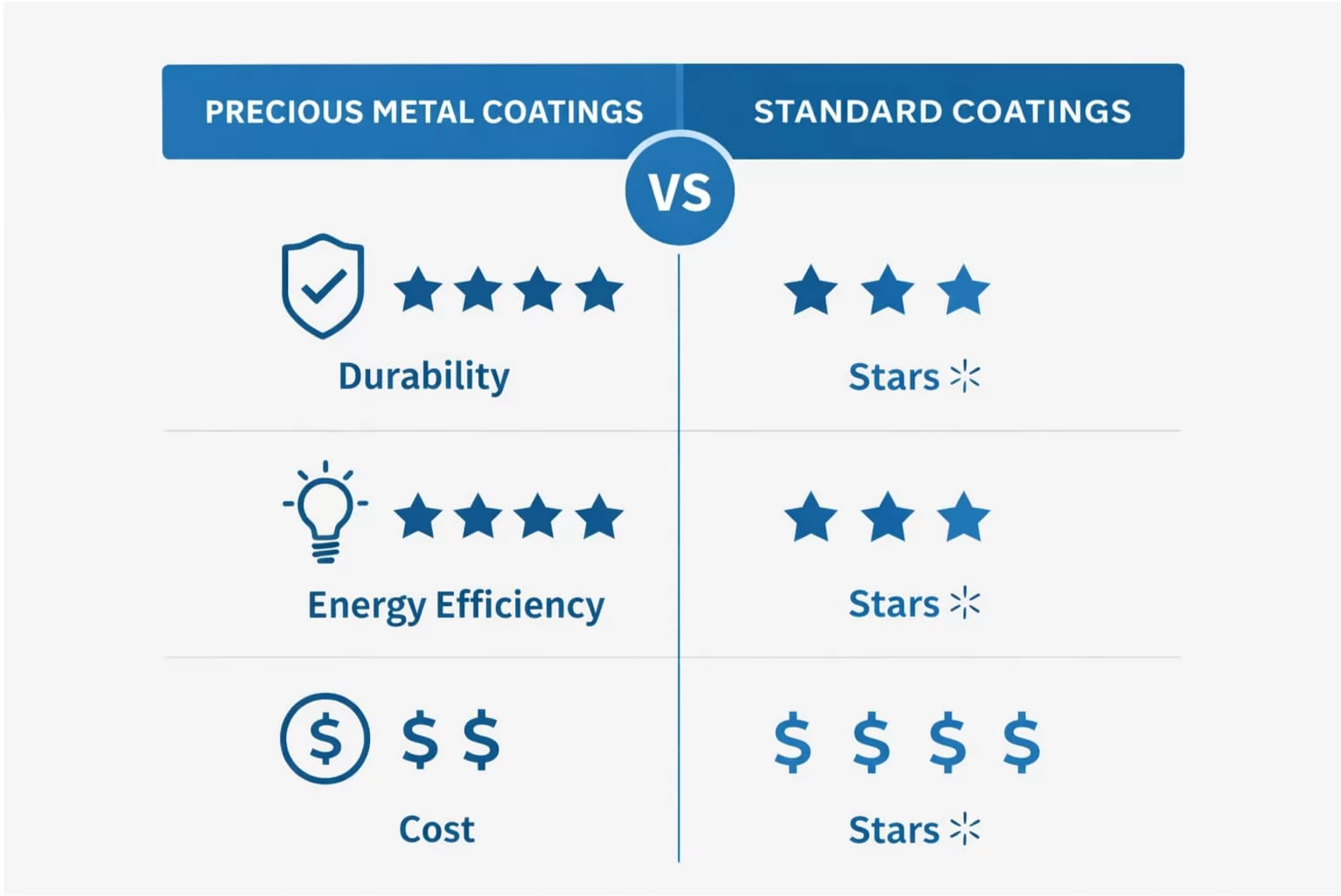
To facilitate a comprehensive understanding, the following table provides a detailed comparison of key performance indicators between precious metal coatings (MMO/Pt) and standard coatings (PbO2) on titanium anodes:
| Feature | Precious Metal Coatings (MMO/Pt) | Standard Coatings (PbO2) |
|---|---|---|
| Initial Cost | Higher | Lower |
| Electrocatalytic Activity | Excellent (lower overpotential, higher current efficiency) | Good (strong oxidation capabilities) |
| Corrosion Resistance | Superior (highly inert, robust chemical stability) | Good (chemically stable) |
| Operational Lifespan | Significantly Longer | Moderate to Long |
| Energy Efficiency | High (lower operating voltage, substantial energy savings) | Moderate |
| Environmental Impact | Minimal to None (coating is stable and insoluble) | Potential for lead contamination in some applications |
| Maintenance Requirements | Low (due to durability and corrosion resistance) | Moderate (may require more frequent cleaning or replacement) |
Return on Investment (ROI) and Long-Term Value
While precious metal coatings necessitate a higher initial investment, their superior performance characteristics often translate into a more favorable Return on Investment (ROI) over the long term. The extended operational lifespan, enhanced energy efficiency, and reduced maintenance requirements of precious metal coated anodes significantly mitigate the initial cost. The cumulative savings from fewer anode replacements, lower power consumption, and minimized downtime can lead to substantial economic benefits throughout the anode's service life.
Maintenance protocols for precious metal coated anodes typically involve periodic cleaning to remove scale or deposits, often utilizing mild acid solutions to preserve the coating's integrity. In contrast, standard coatings may demand more frequent maintenance, depending on the specific application and the aggressiveness of the electrolyte, potentially increasing operational overhead.
Conclusion
The selection between precious metal coatings and standard coatings for titanium anodes is a strategic decision that must align with the specific demands of the application, budgetary constraints, and desired performance outcomes. Precious metal coatings offer unparalleled advantages in terms of electrocatalytic activity, corrosion resistance, and longevity, making them the optimal choice for high-performance, critical, and demanding electrochemical processes.
Conversely, standard coatings, such as PbO2, present a compelling cost-effective solution, delivering commendable performance for applications with less stringent requirements or where initial capital expenditure is a primary concern. However, potential environmental considerations associated with certain standard coatings, like lead, must be carefully evaluated.
Ultimately, a judicious investment in the appropriate anode coating is paramount for optimizing electrochemical processes, ensuring operational efficiency, and realizing long-term cost savings and sustainable performance. This decision should be based on a thorough understanding of both the technical merits and the economic implications of each coating type.
0
Comments
Leave a Comment
Your email address will not be published. Required fields are marked *
Name can't be empty
Email error!
Message can't be empty
😍
😜
😳
😌
😄
😘
😝
😒
😃
😚
😚
😛
😟
😧
😀
😉
😓
😱
😤
😣
😂
😥
😩
😠
😢
😭
😰
😨
😡
😆
😪
😅
😐
😇
😋
😴
👿
😕
😏
😷
😵
😟
😮
😯
😑
👧
👴
😧
😬
😾
👶
👱
👵
👸
🙀
👺
👦
👩
👨
😽
😿
🙈
💩
💥
💤
😼
😹
🙉
🔥
✨
💦
👎
✌
👆
👈
💪
💹
👍
👊
💴
💶
💷
💸
👉
💵
🙏
🌎
🏧
👏
💳
👇
💑
🙆
🙅
💁
👫
👭
🙎
🙇
👑
👔
Submit Comment
Most Popular
-
 Dec 25, 2025Titanium Anodes vs Graphite Anodes: Service Life and Cost Analysis
 -
 Oct 29, 2025What is a Titanium Anode (Complete Guide)
 -
 Dec 19, 2025Titanium Anode Lifespan Testing: How to Accurately Predict Service Life
 -
 Dec 17, 2025MMO Coated Titanium Anodes vs Traditional Anodes: Complete Comparison


Laster Blogs
-
 Feb 06, 2026Precious Metal Coatings vs. Standard Coatings: A Comprehensive Performance Analysis for Titanium Anodes
 -
 Jan 22, 2026PCB Circuit Board Plating: Titanium Anode Applications in Practice
 -
 Jan 13, 2026Automotive Parts Plating: How Titanium Anodes Significantly Enhance Coating Quality and Performance
 -
 Jan 05, 2026Electrochemical Solutions for Hospital Wastewater Treatment


Set A Consultation Today
Name can't be empty
Email error!
Send Your Message
*We respect your confidentiality and all
information are protected.
