Titanium Anode Applications in Industrial Wastewater Treatment: Electrolytic Degradation
Titanium anodes in industrial wastewater treatment work by driving electrochemical oxidation reactions at the anode surface — either oxidizing pollutant molecules directly or generating reactive species (active chlorine, hydroxyl radicals) that degrade contaminants in solution. The titanium substrate, coated with mixed metal oxides (MMO), iridium oxide, ruthenium oxide, lead dioxide, or platinum, determines which oxidation pathway dominates, making coating selection the primary engineering and procurement decision for any electrolytic degradation system targeting pharmaceutical, textile, electroplating, petrochemical, or municipal effluents.
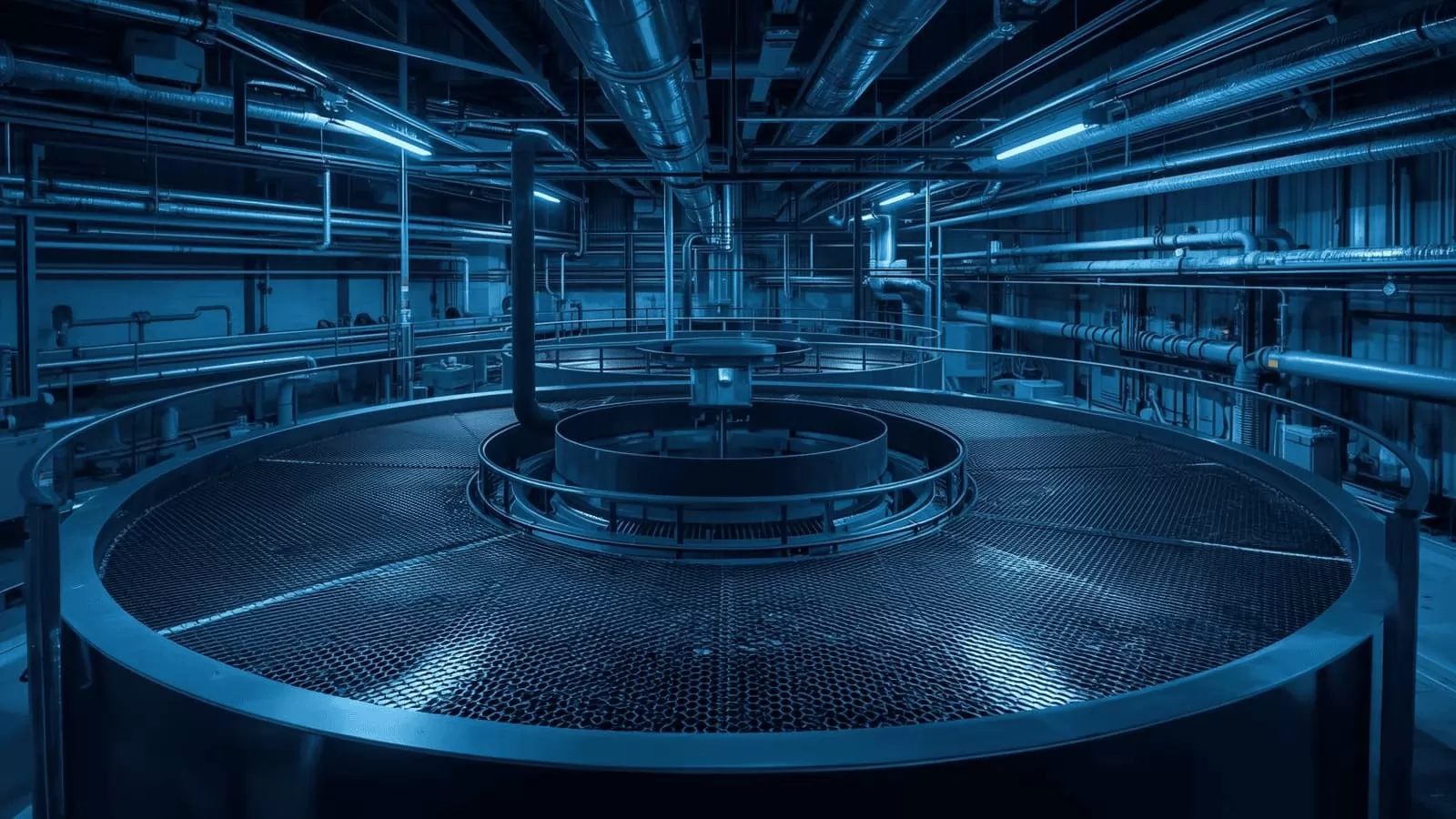
How Electrolytic Degradation Works — The Electrochemical Mechanism
Electrolytic degradation is an electrochemical advanced oxidation process (AOP) in which pollutants are destroyed by reactions initiated at the surface of a polarized anode. Understanding the two primary oxidation pathways — and how the anode coating determines which one operates — is the foundation of any titanium anode specification for wastewater treatment.
Direct Anodic Oxidation
In direct anodic oxidation, pollutant molecules adsorb onto the anode surface and are oxidized by electron transfer. This mechanism operates at all anode types but is most significant when the electrolyte has low chloride content and the pollutant has sufficient affinity for the electrode surface. Phenols, amines, and certain dye intermediates are effectively destroyed via direct oxidation at MMO and platinum-coated titanium anodes.
Indirect Oxidation via Reactive Species
Indirect oxidation is the dominant degradation pathway in most industrial systems because it operates in the bulk solution rather than only at the electrode surface. Three reactive species are relevant depending on the anode coating and electrolyte composition:
- Active chlorine (Cl₂ / HOCl / OCl⁻): Generated at ruthenium-coated titanium anodes and MMO coated titanium anodes via chlorine evolution reaction (CER). Highly effective for color removal, pathogen destruction, and ammonia nitrogen oxidation in chloride-rich effluents. RuO₂-based coatings minimize the overpotential for chlorine evolution, achieving current efficiency ≥ 90% in chloride-bearing electrolytes.
- Hydroxyl radicals (•OH): Generated at anodes with high oxygen evolution overpotential — primarily lead dioxide titanium anodes (PbO₂). At high current density in sulfate or perchlorate electrolytes, water oxidation produces •OH radicals at the electrode surface. These radicals are non-selective oxidants — they attack aromatic rings, break azo bonds, and mineralize recalcitrant organic molecules including pharmaceuticals, pesticides, and complex dye structures. PbO₂ anodes are specified precisely because this high OER overpotential maximizes •OH flux.
- Persulfate and ozone intermediates: In specific electrolyte systems containing sulfate or at very high current densities, secondary oxidants including S₂O₈²⁻ (persulfate) can form at the anode surface, further expanding the oxidation capacity of the system.
How the Coating Determines the Oxidation Pathway
| Coating Type | Primary Reaction | Key Reactive Species | Best For |
|---|---|---|---|
| RuO₂ / MMO (Ru–Ir–Ti) | CER dominant | Cl₂ / HOCl | Chloride-rich wastewater, disinfection, decolorization |
| IrO₂ / IrO₂–Ta₂O₅ | OER dominant | O₂, limited •OH | Low-chloride acidic systems, phenol oxidation, cathodic protection circuits |
| PbO₂ | High OER overpotential | •OH radicals | Pharmaceutical APIs, antibiotics, recalcitrant organics |
| Platinum (Pt) | Direct oxidation / OER | Direct electron transfer | High-purity systems, precious metal recovery, low-contamination requirements |
Operating Parameters That Drive Degradation Efficiency
Three process variables directly control system performance beyond the anode coating itself. Current density (A/m²) sets the rate of reactive species generation — higher density increases •OH or active chlorine flux but also raises energy consumption and anode wear. pH governs the speciation of reactive chlorine (HOCl is the dominant oxidant below pH 7.5; OCl⁻ dominates above) and the stability of the coating under operating conditions. Electrolyte conductivity determines the cell voltage required to maintain target current density — low-conductivity effluents need supplementary electrolyte or pre-concentration to maintain process efficiency.
Why Dimensionally Stable Anodes Replaced Graphite and Lead
Titanium-based DSA (dimensionally stable anodes) replaced graphite and lead anodes in industrial electrolytic systems for reasons that go beyond electrode longevity. Graphite consumes progressively during electrolysis, releasing carbon particulates into the effluent stream and degrading dimensional tolerances within the cell. Lead and lead-alloy anodes carry the risk of Pb²⁺ leaching into treated water — creating secondary contamination that violates effluent discharge regulations in most jurisdictions. Titanium DSA with MMO or oxide coatings eliminates both failure modes: the titanium substrate does not dissolve, no secondary contamination enters the treated stream, and the catalytic coating maintains stable electrochemical performance over service lives measured in years.

Wastewater Stream Guide — Matching Anode Type to Application
The five industrial wastewater streams below represent the most common titanium anode applications in electrolytic degradation systems. Each entry identifies the pollutant profile, the correct anode specification, the governing electrochemical mechanism, and the key operating parameters that determine system sizing.
Stream 1 — Electroplating and PCB Wastewater
Pollutant profile: Heavy metals (Cu²⁺, Cr⁶⁺, Ni²⁺), cyanide, organic complexing agents (EDTA, citrate), and elevated COD from drag-out losses.
Recommended anode: MMO coated titanium anodes (Ru–Ir coating) for cyanide destruction and metal electrodeposition; hardware electroplating titanium anodes for copper and chromium recovery baths.
Mechanism: Anodic oxidation of CN⁻ to CNO⁻ and then CO₂/N₂ in alkaline electrolyte; electrodeposition of Cu²⁺, Ni²⁺ at the cathode; Cr⁶⁺ is reduced to Cr³⁺ at the cathode after pH adjustment.
Operating parameters: Current density 200–800 A/m²; pH 10–12 for cyanide destruction, pH 2–4 for chromium reduction; chloride or sulfate supporting electrolyte.
Stream 2 — Pharmaceutical and Organic Micropollutant Wastewater
Pollutant profile: Active pharmaceutical ingredients (APIs), antibiotics, hormone disruptors (estrogens, steroids), and high-COD process organics that resist biological treatment.
Recommended anode: Lead dioxide titanium anodes (PbO₂). No other coating type generates the •OH radical flux required to mineralize recalcitrant pharmaceutical compounds at scale.
Mechanism: High oxygen evolution overpotential at the PbO₂ surface drives •OH generation. These radicals attack aromatic rings and ether linkages non-selectively, breaking complex organic molecules down to CO₂ and H₂O. The PbO₂ layer is insoluble and bonded to the titanium substrate — it does not release lead ions into the treated effluent.
Operating parameters: Current density 500–2,000 A/m²; sulfate or perchlorate supporting electrolyte; pH 2–7; temperature control recommended above 1,000 A/m² to manage thermal load.
Stream 3 — Textile and Dye Wastewater
Pollutant profile: Azo dyes, reactive dyes, vat dyes, surfactants, and high color — often presenting as high COD/BOD ratio wastewater resistant to aerobic biological treatment.
Recommended anode: Ruthenium-coated titanium anodes where NaCl electrolyte is available for active chlorine generation; PbO₂ anodes for complete dye mineralization in low-chloride systems.
Mechanism: In chloride-rich systems, in-situ Cl₂/HOCl cleaves the chromophore azo bonds (–N=N–) responsible for color, achieving rapid decolorization. For full COD reduction, •OH attack on aromatic ring structures is required — this demands PbO₂ or high-overpotential MMO at elevated current density.
Operating parameters: Current density 300–1,500 A/m²; NaCl 2–5 g/L for indirect chlorine pathway; pH 6–9; contact time and electrode area sized to target COD removal percentage.
Stream 4 — Municipal and Domestic Wastewater Disinfection
Pollutant profile: Pathogenic bacteria and viruses, ammonia nitrogen (NH₄⁺–N), suspended organics, and residual pharmaceuticals at lower concentration than industrial streams.
Recommended anode: Sodium hypochlorite titanium anodes for on-site NaOCl generation; ruthenium-coated titanium anodes for in-situ disinfection within the treatment train.
Mechanism: Electrolytic oxidation of Cl⁻ at the anode surface generates Cl₂ which hydrolyzes to HOCl in solution — HOCl is the primary disinfectant. Simultaneous electro-oxidation of NH₄⁺ to N₂ (break-point chlorination pathway) reduces nitrogen loading in the treated effluent.
Operating parameters: Current density 100–500 A/m²; NaCl 3–10 g/L (brine or ambient municipal wastewater with supplementary salt); neutral to slightly alkaline pH (7–8.5).
Stream 5 — Petrochemical and Refinery Wastewater
Pollutant profile: Phenols, polycyclic aromatic hydrocarbons (PAH), sulfides (H₂S/HS⁻), high total dissolved solids (TDS), and oil emulsions from refinery processes.
Recommended anode: Iridium-coated titanium anodes for oxygen evolution in acidic refinery effluents; MMO coated titanium anodes where chloride content is sufficient for indirect oxidation.
Mechanism: Phenol undergoes direct anodic oxidation at IrO₂-based surfaces through ring-opening intermediates (catechol, hydroquinone, maleic acid). Sulfide is anodically oxidized to sulfate. In chloride-bearing refinery streams, in-situ active chlorine supplements direct oxidation capacity.
Operating parameters: Current density 500–3,000 A/m²; pH 3–9 (IrO₂ coatings stable across this range); high conductivity electrolyte (TDS often sufficient in refinery streams); electrode materials must withstand H₂S-bearing acidic conditions — titanium substrate with IrO₂/Ta₂O₅ coating provides the required chemical resistance.
Step-by-Step: How to Specify a Titanium Anode System for Industrial Wastewater Treatment
Anode specification is not a catalog selection exercise. It is a four-step engineering workflow that begins with wastewater characterization and ends with a supplier-validated bill of materials. The steps below define what information you need to collect at each stage and what decisions it drives.
1
Characterize Your Wastewater Stream
Collect the following analytical data before approaching any anode supplier or specifying any system component:
- Pollutant identity and concentration: COD (mg/L), TOC (mg/L), specific target compounds (phenol mg/L, CN⁻ mg/L, dye concentration as color units)
- Flow rate: m³/day — determines total electrode area and cell volume required
- Conductivity: mS/cm — determines whether supplementary electrolyte is required
- pH range: operational envelope of the effluent stream
- Temperature: seasonal range at the treatment point
- Chloride content: mg/L Cl⁻ — the single most important factor in determining whether CER (active chlorine) or OER (•OH radical) pathway is appropriate
2
Select Coating Type Based on Target Reaction
Apply this decision matrix to the characterization data:
- Chloride present + disinfection or decolorization target: specify Ru-coated or MMO (Ru–Ir–Ti) anode
- Low chloride + recalcitrant organics or high COD: specify PbO₂ or Ir-coated anode
- High-purity / zero-contamination requirement (pharmaceutical water, precious metal recovery): specify Pt-coated anode
- Large-volume municipal or industrial scale with chloride present: specify MMO — longest service life and most cost-effective at scale
3
Define Electrode Geometry and Current Parameters
Electrode form and geometry directly control mass transfer and current distribution — both critical to degradation efficiency:
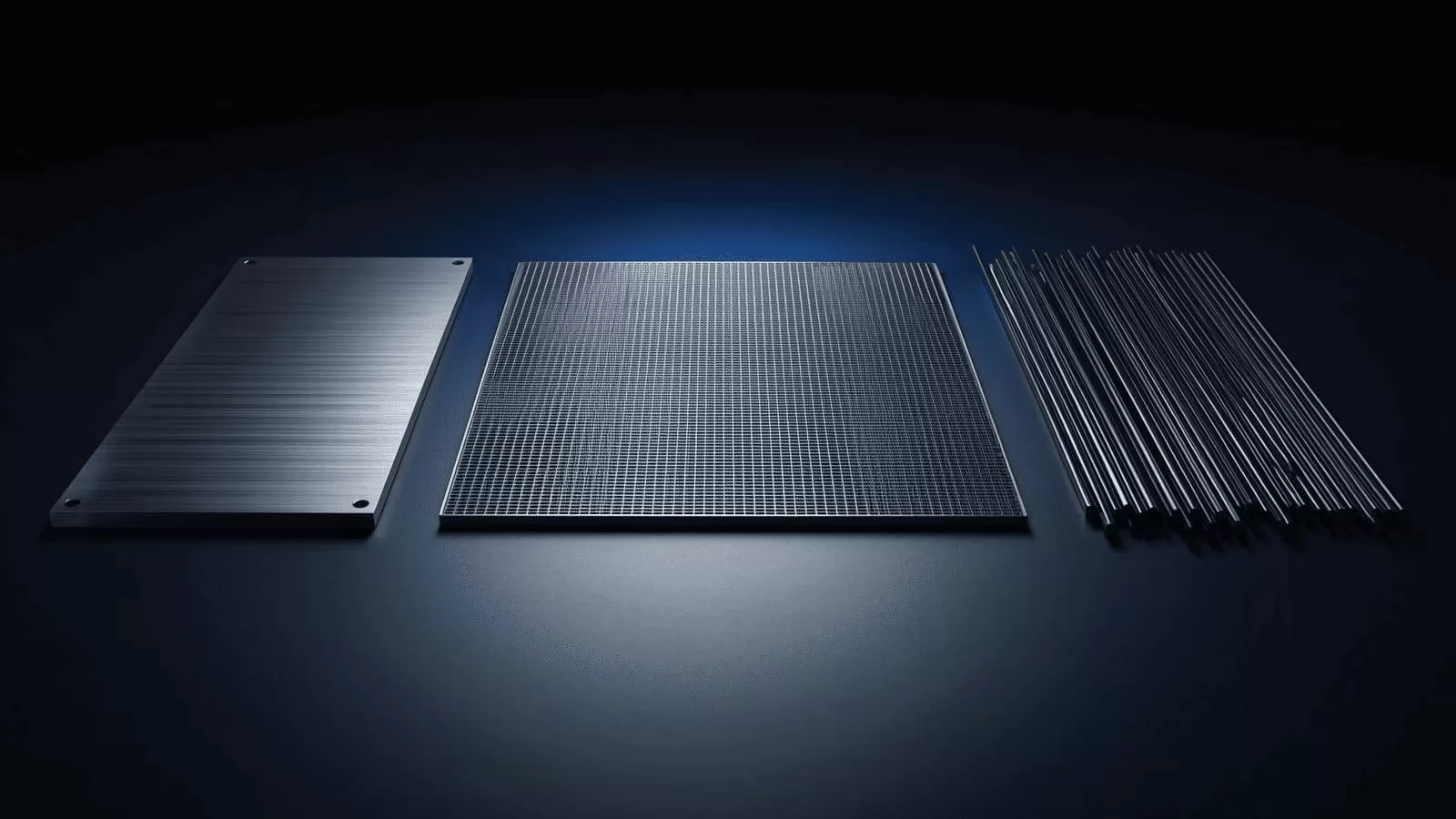
- Plate vs. mesh: mesh electrodes provide higher specific surface area and improve mass transfer in turbulent flow conditions — preferred for high-COD applications. Plate electrodes suit lower-turbulence, high-volume flow systems.
- Electrode spacing: typically 5–20 mm for industrial wastewater cells — closer spacing lowers cell resistance but increases risk of short-circuit fouling in high-suspended-solids streams.
- Current density: calculate from target COD removal efficiency and theoretical oxygen demand; over-specification wastes energy and accelerates coating wear.
- Total electrode area: derived from flow rate × hydraulic retention time × required current density — this is the primary sizing parameter for OEM/ODM custom anode fabrication from JH Ti Anode.
4
Validate With Supplier and Request Technical Documentation
Before committing to a procurement order, request the following documentation from JH Ti Anode:
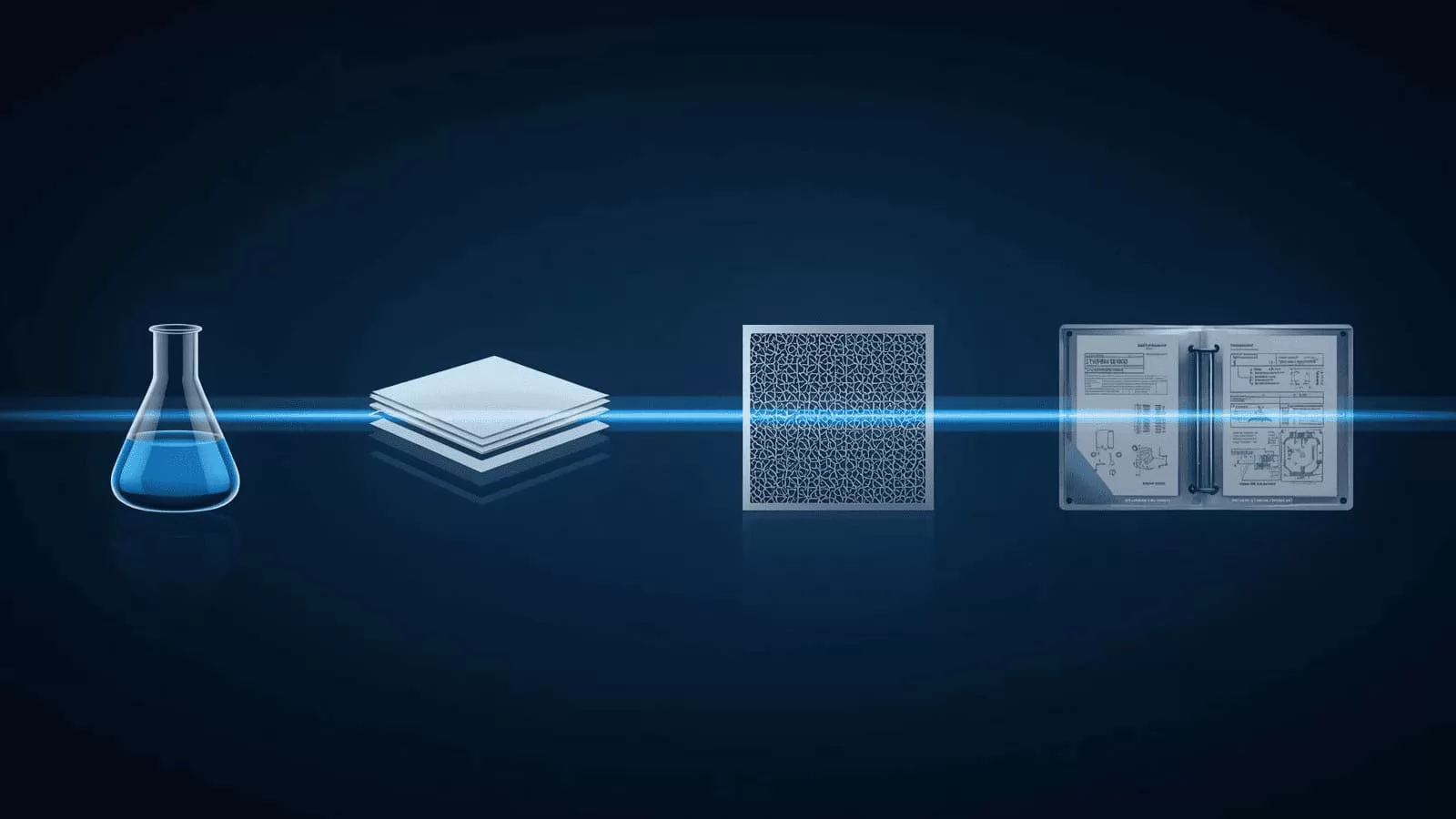
- Technical Data Sheet (TDS) — coating composition, thickness, chlorine/oxygen evolution overpotential, corrosion rate (g/m²·h)
- Accelerated Life Test (ALT) data for your target electrolyte conditions — confirms rated service life under your specific operating parameters
- Reference installations in your application sector
- OEM/ODM fabrication confirmation for custom dimensions and forms
Contact: umi.ma@jstitanium.com | +86 15332291991
Why Titanium Substrate Outperforms Graphite and Lead in Electrolytic Degradation Systems
The anode material selection is a capital cost decision with a 5–10 year operational tail. The performance differences between titanium DSA, graphite, and lead-alloy anodes are not marginal — they determine whether a wastewater treatment system operates within permit limits, maintains effluent quality over time, and remains economically viable over a full depreciation cycle.
Graphite Anodes: Progressive Consumption and Effluent Contamination
Graphite is consumed during electrolysis. Carbon particles and graphite fragments enter the electrolyte continuously, contaminating the treated effluent with suspended carbon — a secondary pollutant that requires additional downstream treatment. As graphite electrodes erode, dimensional tolerances within the electrolytic cell change, altering current distribution and degrading system performance. Replacement frequency in high-current-density industrial applications is measured in months, not years — creating ongoing CAPEX replacement cost and process downtime.
Lead and Lead-Alloy Anodes: Secondary Contamination Risk
Lead anodes present a secondary contamination risk that is incompatible with modern discharge standards. Even at low dissolution rates, Pb²⁺ ions entering the treated effluent can push lead concentrations above regulatory limits (typically 0.01–0.05 mg/L in EU and Chinese discharge standards for industrial wastewater). This creates an enforcement liability that makes lead anodes unsuitable for any system where treated effluent discharges to surface water or municipal sewer.
Titanium DSA: Quantified Performance Advantages
| Parameter | Titanium DSA (MMO) | Graphite | Lead / Lead-Alloy |
|---|---|---|---|
| Service life (industrial conditions) | 3–10 years | Months | 1–3 years (with contamination risk) |
| Substrate dissolution | None (DSA) | Continuous (carbon particles) | Pb²⁺ leaching |
| Effluent contamination | None | Carbon particles | Lead ions |
| Corrosion rate (JH Ti Anode MMO) | ≤ 0.05 g/(m²·h) | High (mass loss) | Variable, ion-releasing |
| Energy efficiency | High (low overpotential) | Low | Moderate |
| Regulatory compliance risk | None | Low-moderate | High |
The JH Ti Anode MMO coating corrosion rate of ≤ 0.05 g/(m²·h) is a verified specification, not a marketing claim — it reflects the quantified coating stability under rated current density and electrolyte conditions. Lower overpotential at the JH Ti Anode MMO surface translates directly to a lower operating cell voltage for equivalent current density, reducing DC power consumption by 10–20% compared to traditional anode materials. Over a multi-year operating cycle at industrial scale, this energy saving represents a material reduction in OPEX.
Specifying the Wrong Anode Coating Is a 5–10 Year Operational Error
The wrong coating specification does not fail immediately — it fails gradually. An MMO anode specified for a low-chloride high-COD pharmaceutical effluent will not generate the •OH radical flux required for API degradation. The system will appear to operate while consistently missing COD removal targets, leading to permit non-compliance. A coating selected without ALT data for the specific electrolyte will passivate ahead of rated service life, requiring unplanned replacement, system shutdown, and CAPEX that was not budgeted.
Anode selection is a capital decision. Investing in coating selection consultation and validated technical data at specification stage eliminates the most common and costly failure mode in electrolytic wastewater treatment systems.
JH Ti Anode — OEM/ODM Supply for Electrolytic Wastewater Systems
Shaanxi Jinhan Rare Precious Metal Co., Ltd., operating as JH Ti Anode, manufactures titanium anodes from its facility in Baoji, Shaanxi — a region concentrated with titanium processing expertise and known internationally as China's titanium production center. Founded in 2009, the company exports over 80% of production to international markets, supplying system integrators, EPC contractors, and industrial plant operators across water treatment, electrochemical manufacturing, and energy sectors.
Full Product Range for Wastewater Treatment Applications
The full titanium anode product range covers every coating type relevant to industrial wastewater electrolytic degradation: MMO (Ru–Ir–Ti), iridium oxide, ruthenium oxide, lead dioxide, platinum, and application-specific variants including sodium hypochlorite generation anodes and hardware electroplating anodes. Each product line is available in verified technical specifications with documented coating composition, thickness, overpotential data, and corrosion rate.
Custom Fabrication to Cell Geometry Specification
Standard catalog dimensions cover common cell configurations, but most industrial wastewater treatment projects require custom electrode geometry. JH Ti Anode's OEM/ODM custom anode fabrication capability covers all electrode forms: plate, mesh, rod, wire, ribbon, expanded metal, perforated plate, and tubular — in any specified dimension. Custom coating formulations for non-standard electrolyte conditions are available for volume orders with application validation.
Technical Support at the Specification Stage
JH Ti Anode provides coating selection consultation, TDS supply, and ALT data at the specification stage — not only after order placement. For OEM system integrators who need to validate electrode performance before committing to a cell design, this pre-order technical engagement is the fastest path to a correctly specified system. Reference installations in comparable applications are available on request.
System-Level Solutions
Beyond electrode supply, JH Ti Anode provides complete electrolytic cell systems through its engineering solutions capability — including cell stack assembly, power supply integration, and process control recommendations for wastewater treatment plant operators who require a turnkey electrolytic degradation module rather than individual electrode components.
Specify the Right Titanium Anode for Your Wastewater Treatment System.
JH Ti Anode manufactures MMO, Iridium, Ruthenium, Lead Dioxide, and Platinum-coated titanium anodes for electrolytic degradation, disinfection, and metal recovery applications — with OEM/ODM custom fabrication to your cell geometry. Technical datasheets, accelerated life test data, and coating selection consultation available on request.
umi.ma@jstitanium.com | +86 15332291991
Frequently Asked Questions
What is the difference between MMO, Iridium-coated, and Lead Dioxide titanium anodes for wastewater treatment?
MMO (Ru–Ir–Ti) anodes are optimized for chlorine evolution and general-purpose electrolytic oxidation in chloride-bearing systems — the standard choice for large-volume municipal and industrial disinfection and decolorization applications. Iridium-coated anodes are optimized for oxygen evolution in low-chloride acidic environments, making them suitable for petrochemical effluent and acidic process water treatment. Lead Dioxide anodes generate the highest hydroxyl radical flux through high OER overpotential — they are the preferred specification for degrading recalcitrant organics including pharmaceuticals, pesticides, and complex industrial dyes where biological treatment is ineffective.
How long do titanium anodes last in industrial wastewater treatment?
Service life depends on current density and electrolyte aggressiveness. JH Ti Anode MMO-coated anodes carry a rated corrosion rate of ≤ 0.05 g/(m²·h). Under typical industrial wastewater conditions (500–2,000 A/m²), service life ranges from 3 to 10 years — significantly longer than graphite anodes (measured in months) or lead-alloy anodes. Accelerated life test (ALT) data for your specific electrolyte conditions is available from JH Ti Anode on request and should be reviewed before finalizing the specification.
Can titanium anodes effectively treat pharmaceutical or antibiotic wastewater?
Yes. Lead Dioxide (PbO₂) titanium anodes are the preferred specification for pharmaceutical wastewater treatment. The high oxygen evolution overpotential at the PbO₂ surface generates •OH radicals — non-selective oxidants that attack and mineralize complex organic molecules including APIs, antibiotics, and hormone disruptors that resist biological treatment. The PbO₂ coating layer is insoluble and chemically bonded to the titanium substrate — it does not release lead ions into the treated effluent under normal operating conditions.
Do you supply custom-sized titanium anodes for OEM electrolytic cell systems?
Yes. JH Ti Anode provides full OEM/ODM custom fabrication in all electrode forms — plate, mesh, rod, expanded metal, perforated plate, ribbon, wire, and tubular — in any specified dimension. Custom coating formulations for non-standard electrolyte conditions are available for volume orders. To initiate a custom specification, contact umi.ma@jstitanium.com with your cell geometry requirements, target application, electrolyte composition, and rated current density.
What technical documentation does JH Ti Anode provide with orders?
JH Ti Anode provides Technical Data Sheets (TDS) with coating composition, coating thickness, chlorine and oxygen evolution overpotential values, and corrosion rate (g/m²·h) for each product line. Accelerated Life Test (ALT) data for specific electrolyte and current density conditions is available on request — this is the documentation required to validate anode performance before committing to a cell design. Engineering consultation on coating selection for your target wastewater stream is provided at the specification stage. Contact umi.ma@jstitanium.com to initiate a technical documentation request.
0
Comments
Leave a Comment
Your email address will not be published. Required fields are marked *
Name can't be empty
Email error!
Message can't be empty
😍
😜
😳
😌
😄
😘
😝
😒
😃
😚
😚
😛
😟
😧
😀
😉
😓
😱
😤
😣
😂
😥
😩
😠
😢
😭
😰
😨
😡
😆
😪
😅
😐
😇
😋
😴
👿
😕
😏
😷
😵
😟
😮
😯
😑
👧
👴
😧
😬
😾
👶
👱
👵
👸
🙀
👺
👦
👩
👨
😽
😿
🙈
💩
💥
💤
😼
😹
🙉
🔥
✨
💦
👎
✌
👆
👈
💪
💹
👍
👊
💴
💶
💷
💸
👉
💵
🙏
🌎
🏧
👏
💳
👇
💑
🙆
🙅
💁
👫
👭
🙎
🙇
👑
👔
Submit Comment
Most Popular
-
 Dec 23, 2025Top 10 Titanium Anode Manufacturers in 2026
 -
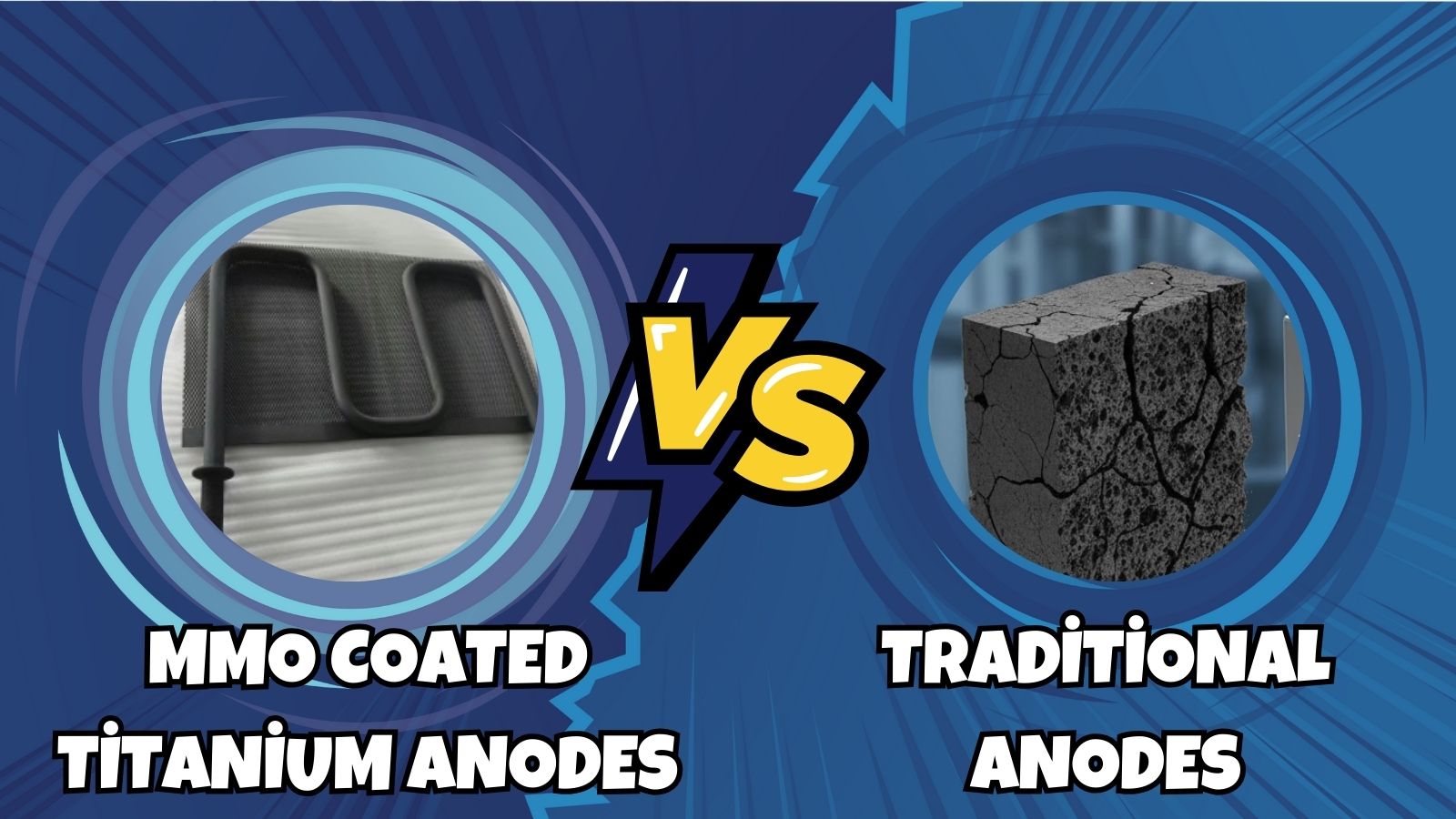 Dec 17, 2025MMO Coated Titanium Anodes vs Traditional Anodes: Complete Comparison
 -
 Oct 29, 2025What is a Titanium Anode (Complete Guide)
 -
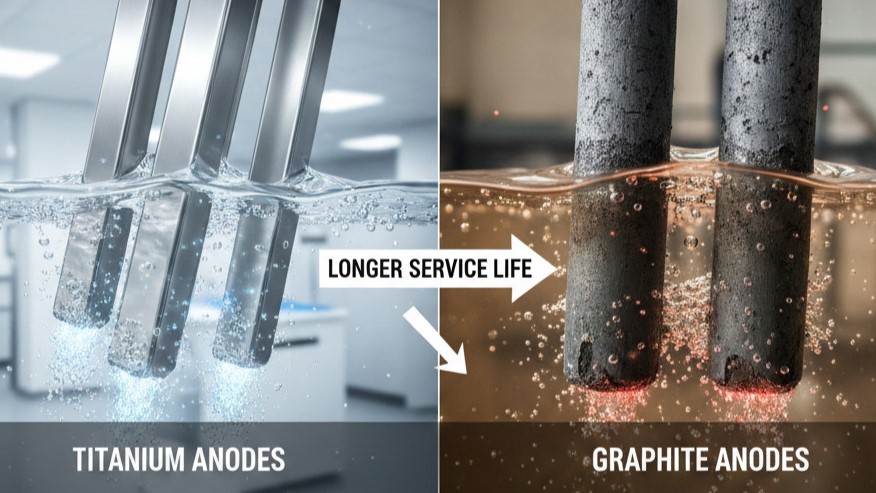 Dec 25, 2025Titanium Anodes vs Graphite Anodes: Service Life and Cost Analysis


Laster Blogs
-
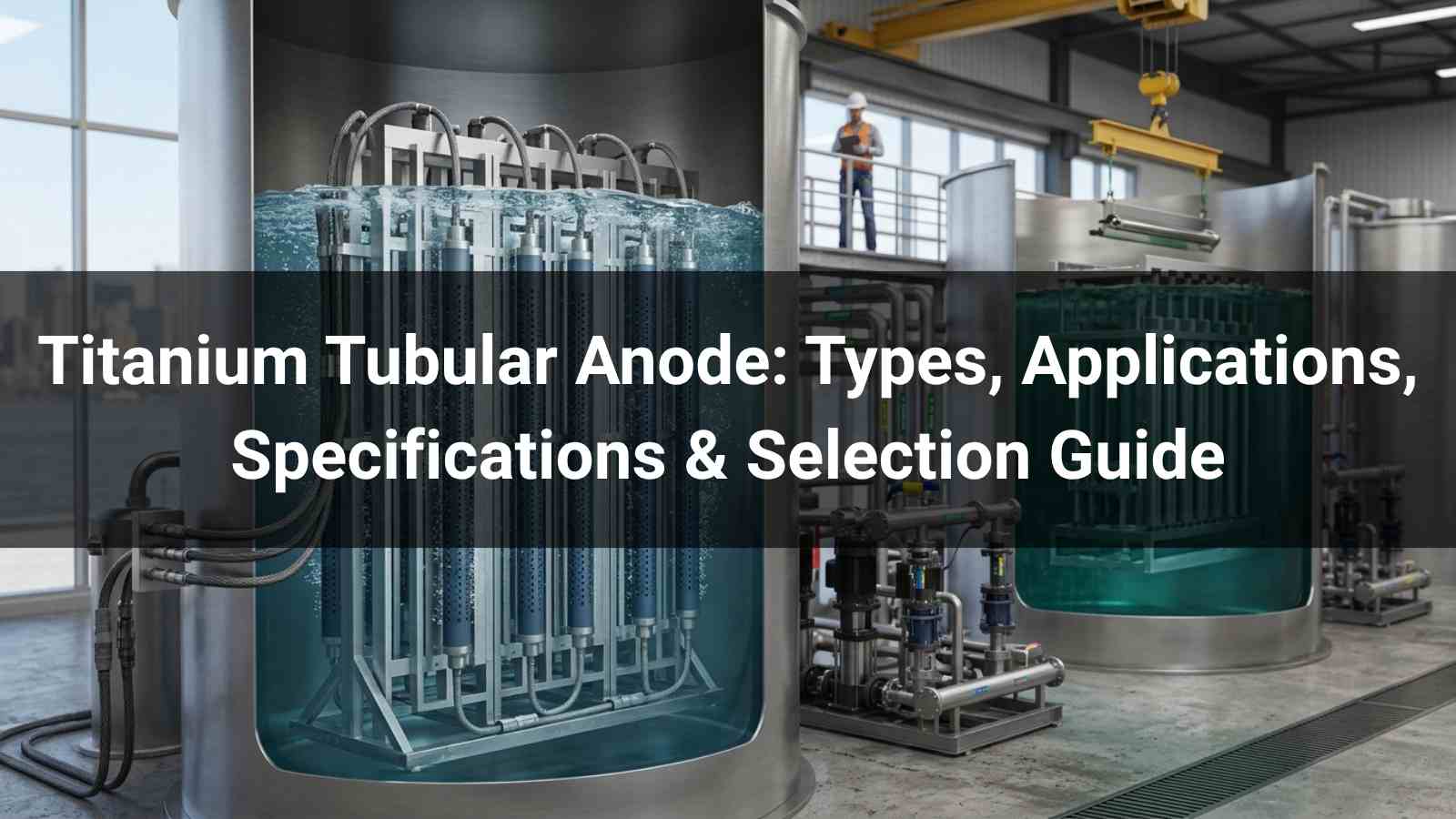 Sep 10, 2026Titanium Tubular Anode: Types, Applications, Specifications & Selection Guide
 -
 Jul 30, 2026The Definitive Buyer’s Guide to MMO Coated Titanium Anodes (2026 Edition)
 -
 Jul 28, 2026Platinum-Coated Titanium Anodes: A Practical Buyer’s Guide to Selection & Specification
 -
 Apr 20, 2026Iridium Oxide vs Ruthenium Oxide Coated Titanium Anodes: Which Coating Is Right for Your Application?


Set A Consultation Today
Name can't be empty
Email error!
Send Your Message
*We respect your confidentiality and all
information are protected.
