Titanium Anode for Drinking Water Disinfection: Core Components of Sodium Hypochlorite Generators
A titanium anode for drinking water disinfection is a Ru–Ir mixed metal oxide (MMO) coated dimensionally stable anode (DSA) that serves as the core electrolytic component in a sodium hypochlorite generator, driving NaCl electrolysis to produce NaClO on-site. Its low chlorine evolution overpotential, dimensional stability, and corrosion resistance in saline electrolyte make it the industry standard for municipal and decentralized drinking water treatment systems requiring reliable, continuous active chlorine output.
Table of Contents
- How Sodium Hypochlorite Generators Produce Drinking Water Disinfectant
- Why the Titanium Anode Is the Core Component
- JH Ti Anode Sodium Hypochlorite Titanium Anode — Technical Specifications
- Sodium Hypochlorite Generator System Architecture
- Anode Selection Criteria for Drinking Water Applications
- Frequently Asked Questions
How Sodium Hypochlorite Generators Produce Drinking Water Disinfectant
On-site sodium hypochlorite generation by electrochlorination is the preferred disinfection method for municipal water treatment plants, rural water supply systems, and industrial drinking water infrastructure where commercial bleach procurement, storage, and degradation present operational liabilities. The titanium anode sodium hypochlorite generator eliminates these constraints by producing NaClO continuously from salt, water, and electricity at the point of use.
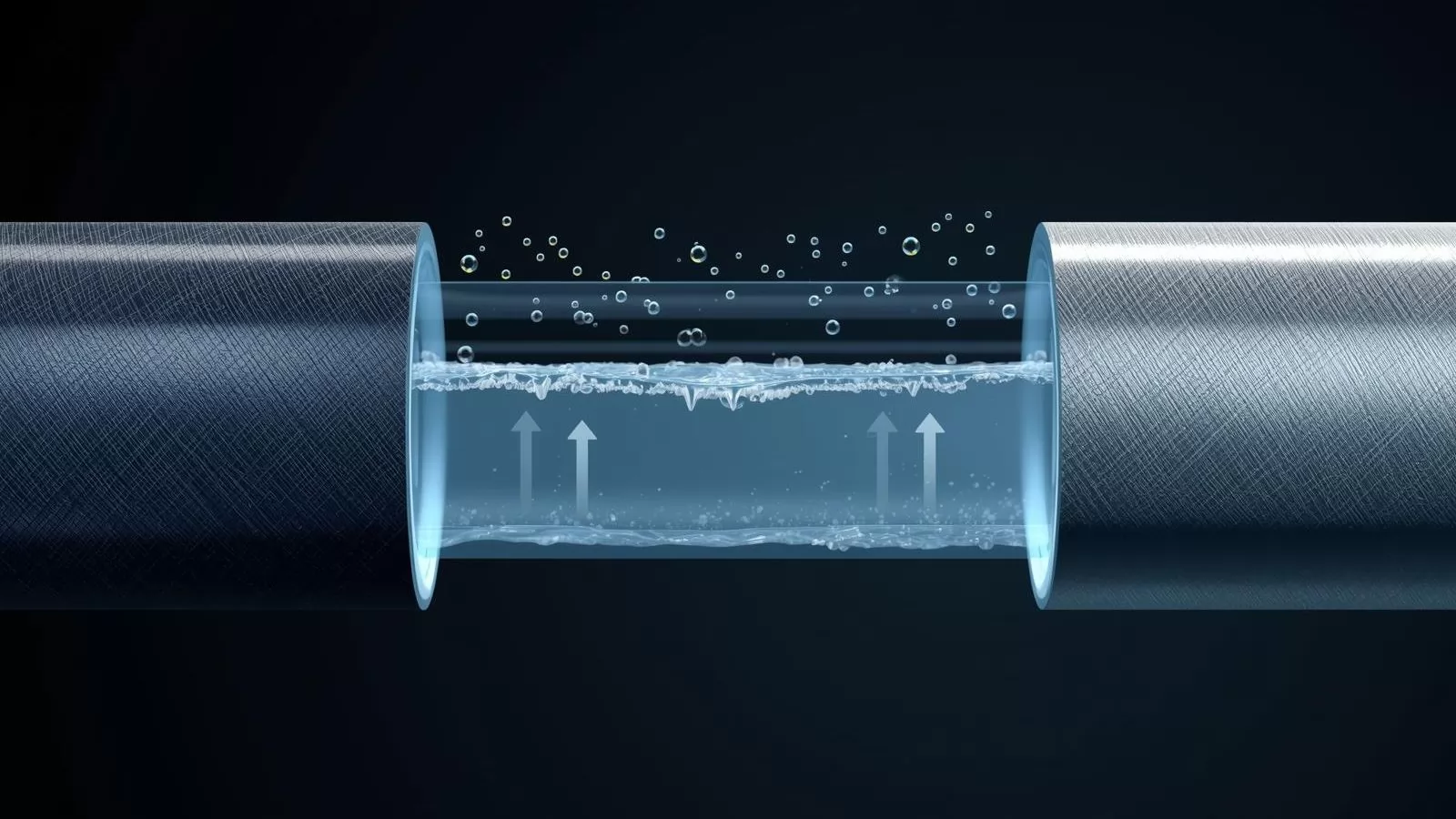
The electrochemical process begins with a dilute NaCl brine solution at 3–5% concentration fed by a controlled-flow pump into a diaphragm-free electrolytic cell. A DC rectifier applies direct current across the titanium anode and titanium cathode assembly. At the anode surface — where the Ru–Ir MMO coating drives selective chlorine evolution — chloride ions are oxidized to molecular chlorine:
Anodic reaction: 2Cl⁻ – 2e⁻ → Cl₂↑
Simultaneously at the cathode, water is reduced to produce hydroxide ions and hydrogen gas:
Cathodic reaction: 2H₂O + 2e⁻ → H₂↑ + 2OH⁻
In the diaphragm-free cell configuration standard for drinking water applications, the anodically evolved Cl₂ immediately reacts with the NaOH produced at the cathode in the same electrolyte volume:
Cl₂ + 2NaOH → NaClO + NaCl + H₂O
The combined overall reaction simplifies to electrochemical conversion of salt and water to sodium hypochlorite and hydrogen:
Overall: NaCl + H₂O → NaClO + H₂↑
The diaphragm-free design is the standard for drinking water disinfection systems because it requires no ion exchange membrane, substantially reducing capital cost and maintenance complexity. The NaClO output concentration in a diaphragm-free cell remains below 8 g/L available chlorine — well within the range where spontaneous decomposition and chlorate accumulation from high-strength bleach are not operational concerns. The dilute NaClO solution is dosed directly into the water distribution network immediately after generation, maintaining consistent active chlorine concentration without the degradation losses inherent in commercial bleach stored on-site.
On-site generation offers four specific advantages over commercial sodium hypochlorite procurement for drinking water operators: active chlorine concentration is consistent at every dosing cycle rather than declining with storage age; there is no chlorate accumulation risk from high-strength commercial product decomposition during extended storage; transport and handling of concentrated bleach is eliminated; and the system carbon footprint is reduced because no high-strength bleach manufacturing and logistics chain is required.
Electrochlorination Process — Key Parameters
Overall reaction:
NaCl + H₂O → NaClO + H₂↑
NaClO output concentration:
0.5–8 g/L available chlorine
Electrolyte NaCl concentration:
3–5%
Chlorine evolution efficiency:
≥ 90% (Ru–Ir MMO anode)
Cell configuration:
Diaphragm-free electrolytic cell
Why the Titanium Anode Is the Core Component
In a sodium hypochlorite generator, every system performance metric — NaClO output concentration, energy consumption per kilogram of active chlorine produced, maintenance interval, and total cost of ownership — is determined primarily by the anode. The anode surface is the site of the primary electrochemical reaction. Chlorine evolution efficiency, coating stability, and dimensional stability are anode properties that cascade through the entire system specification.
The coating overpotential of the anode directly sets the cell voltage required to sustain a given current density, which in turn determines the energy consumption per unit NaClO output. A Ru–Ir MMO coating with chlorine evolution overpotential ≤ 0.15 V maintains a materially lower operating cell voltage than alternative anode materials at equivalent current density, reducing electrical energy cost across the generator's service life. As coating ages and overpotential increases, cell voltage rises correspondingly — the inflection point in the voltage-time curve is the primary diagnostic indicator that anode recoating is required.
Anode coating stability also governs NaClO output consistency. A degrading coating produces declining current efficiency and reduced chlorine yield at the same applied current, resulting in lower active chlorine concentration in the output stream. In a drinking water disinfection system, this directly affects disinfection efficacy — making coating service life a safety-critical parameter, not merely an operational convenience.
Why Alternative Anode Materials Are Excluded from Drinking Water Applications
| Anode Material | Disqualifying Factor for Drinking Water |
|---|---|
| Graphite | Consumed during electrolysis — graphite particles contaminate NaClO output. Unacceptable for potable water. |
| Lead dioxide (PbO₂) | Risk of lead ion leaching into NaClO output at detectable concentrations. Prohibited in drinking water disinfection systems. |
| Platinum-coated titanium | Technically acceptable but high initial coating cost yields poor cost-performance for industrial-scale NaClO generation volumes. Not cost-effective. |
| Ru–Ir MMO on titanium (DSA) | ✓ Industry standard. Dimensionally stable. Zero contamination risk. Lowest Cl₂ overpotential. Recoatable substrate. |
The complete displacement of graphite and lead-based anodes from drinking water disinfection systems by Ru–Ir MMO titanium DSA electrodes is not a design preference — it is a safety and regulatory requirement. JH Ti Anode's MMO coated titanium anode product range is developed specifically for electrochemical applications where anode dissolution and contamination cannot be tolerated.
JH Ti Anode Sodium Hypochlorite Titanium Anode — Technical Specifications
The JH Ti Anode sodium hypochlorite titanium anode is engineered for continuous-duty electrochlorination in drinking water and wastewater disinfection systems. The following specifications reflect confirmed product performance parameters.
| Parameter | Specification |
|---|---|
| Substrate material | Gr1 / Gr2 titanium |
| Coating system | Ru–Ir–Ti mixed metal oxide (MMO) |
| Coating thickness | 2–5 μm |
| Oxygen evolution potential | >1.70 V |
| Chlorine evolution overpotential | ≤ 0.15 V |
| Current efficiency | ≥ 90% |
| Corrosion rate | ≤ 0.05 g/(m²·h) |
| Operating current density | 500–3,000 A/m² |
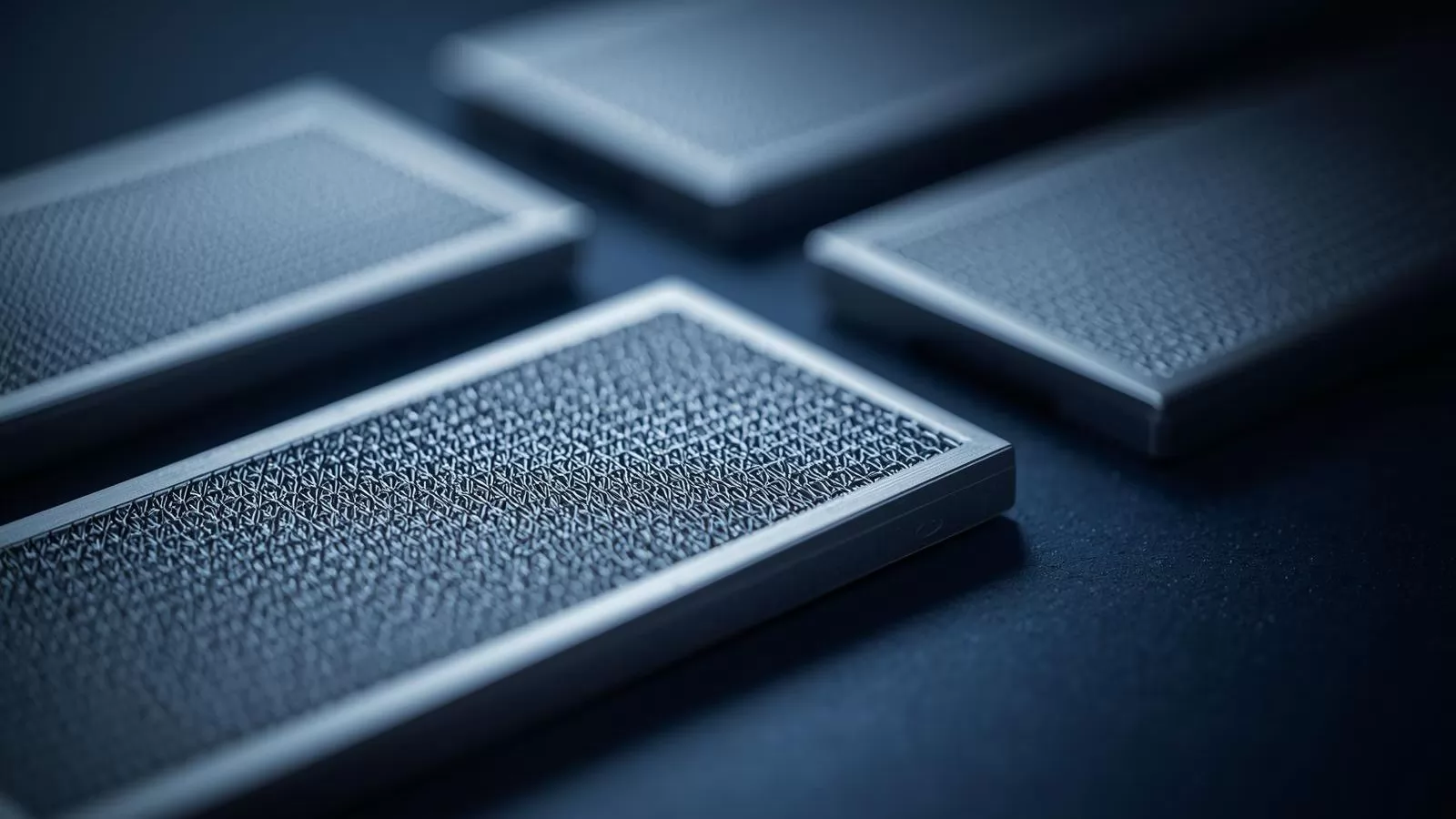
| Electrode structure | Double-layer three-dimensional (3D) structure |
| Substrate reusability | Yes — recoatable after coating wear |
Double-Layer Three-Dimensional Electrode Structure
The double-layer 3D structure is an electrode architecture that increases the effective electroactive surface area relative to the geometric plate area. Rather than a flat planar surface, the electrode presents a three-dimensional catalytic surface that substantially increases the number of active chlorine evolution sites per unit of installed electrode area.
The electrochemical consequences are direct: higher Cl₂ evolution per unit geometric electrode area at the same applied current density, more uniform current distribution across the electrode face, and reduced local current density hot spots that are the primary mechanism of accelerated MMO coating wear in flat-plate designs. The result is extended coating service life and more consistent NaClO output concentration across the anode's full service cycle — both operationally significant for a drinking water disinfection system operating on a continuous-duty basis.
The energy consumption characteristic of the JH Ti Anode product is also worth noting for procurement engineers evaluating total cost of ownership: under low current density operating conditions, energy consumption is equivalent to that of an Ir–Ta anode. At current densities exceeding 500 A/m², energy consumption is approximately 0.2 V higher in tank voltage than an Ir–Ta configuration — a known and predictable performance trade-off at a substantially lower coating cost per unit area.
Sodium Hypochlorite Generator System Architecture
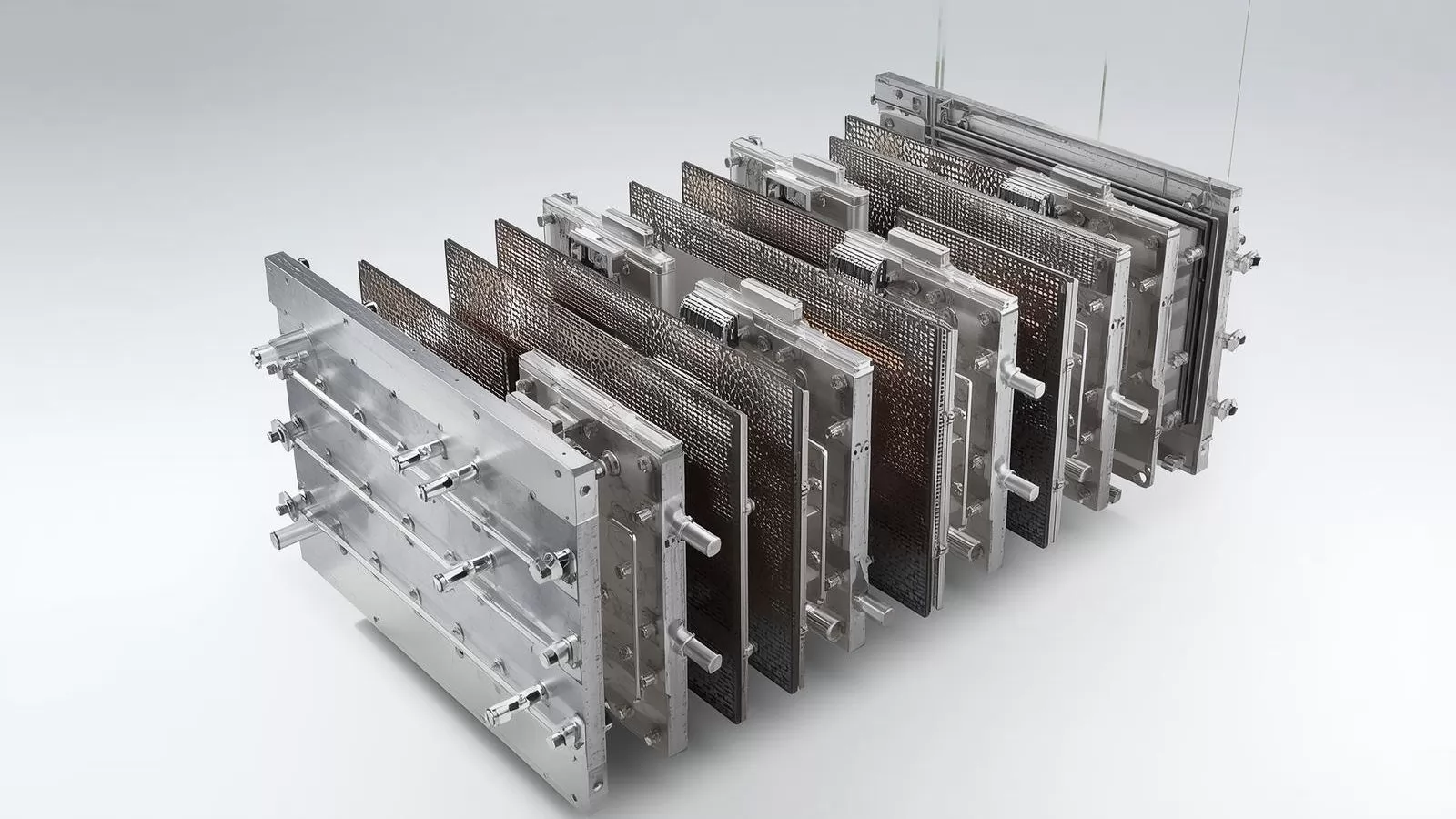
Understanding where the titanium anode assembly sits within the complete NaClO generator system clarifies why anode specification drives overall system performance. A standard drinking water disinfection electrochlorination system consists of eight functional subsystems, of which the electrolytic cell — the titanium anode's installation point — is the electrochemically active core.
1
Salt Dissolution / Brine Preparation Unit
Saturated NaCl solution diluted to 3–5% operating concentration. Feed water quality directly affects coating longevity — hardness, total dissolved solids, and temperature are pre-treatment parameters for long service life.
2
Brine Feed Pump and Flow Control
Maintains the correct electrolyte flow rate through the electrolytic cell. Flow rate directly governs residence time and NaClO output concentration — under-flow increases concentration and local temperature, accelerating coating wear.
3
Electrolytic Cell (Electrolyzer) — Titanium Anode Installation Point
The core assembly where NaClO is generated. Components: titanium anode plates, titanium cathode plates, bipolar electrodes, titanium bus plates, titanium flanges, titanium terminal posts, insulating connecting rods, and insulating gaskets. The titanium anode specification determines every performance parameter of this assembly — and therefore the entire system.
4
DC Rectifier Power Supply
Converts AC mains to controlled DC for electrolysis. Current density is set by the rectifier output — matching rectifier capacity to anode current density specification is a critical system integration parameter.
5
Hydrogen Degassing and Ventilation System
Safely vents H₂ produced at the cathode to atmosphere. H₂ accumulation in confined spaces presents an explosion hazard — forced ventilation with continuous gas monitoring is standard in enclosed generator installations.
6
NaClO Collection and Storage Tank
Buffers the NaClO output between generation cycles and dosing demand. On-site generated NaClO at 0.5–8 g/L does not require the corrosion-resistant storage infrastructure needed for high-strength commercial bleach.
7
Dosing Pump
Injects NaClO solution into the water distribution system at a controlled rate proportional to flow and residual chlorine monitoring feedback. Accurate dosing requires consistent NaClO output concentration from the generator — anode performance stability is therefore a dosing control prerequisite.
8
Automatic Control System
Monitors applied current, brine flow rate, NaClO output concentration via online analyzers, cell voltage (primary anode health indicator), and alarms. Cell voltage trending upward over time is the primary diagnostic signal that the anode coating is approaching end of service life.
JH Ti Anode supplies both individual titanium anode components for integration into OEM generator designs and complete electrolytic cell assemblies ready for system integration. For generator manufacturers requiring full cell packages — including titanium anodes, cathodes, bipolar electrodes, bus plates, flanges, and insulating hardware — JH Ti Anode OEM/ODM electrolytic cell solutions covers custom electrode dimensions, stack configurations, and current density specifications matched to output capacity requirements.
Anode Selection Criteria for Drinking Water Applications
For water treatment project engineers and procurement managers specifying a titanium anode for a sodium hypochlorite generator, four technical parameters govern the selection decision. Each parameter has direct consequences for system performance, operating cost, and service life.
Criterion 1 — Coating System: Ru–Ir vs. Ir–Ta
The coating chemistry determines whether the anode preferentially drives chlorine evolution or oxygen evolution. Ru–Ir MMO coatings have a low chlorine evolution overpotential and high selectivity for Cl₂ production in NaCl electrolyte — they are the correct coating system for sodium hypochlorite generators. Ir–Ta coatings are optimized for oxygen evolution and are the correct choice for pure water electrolysis and high-pH applications such as PEM hydrogen production.
For NaClO generators: specify ruthenium-coated titanium anode (Ru–Ir MMO). For oxygen evolution applications: specify iridium-coated titanium anode (Ir–Ta MMO). Applying an Ir–Ta anode in a NaClO generator will produce significantly lower chlorine evolution efficiency and higher energy consumption — a specification error with direct operating cost and output consequences.
Criterion 2 — Substrate Grade: Gr1 vs. Gr2 Titanium
Gr1 titanium offers the highest corrosion resistance of the commercially pure titanium grades and is specified where electrolyte aggressiveness is at its maximum — high NaCl concentration, elevated temperature, or acidic pH conditions. Gr2 provides marginally higher tensile strength and is suitable for the majority of NaClO generator operating conditions within the standard 3–5% NaCl concentration and ambient temperature range. For most drinking water disinfection applications, Gr2 substrate meets all operating requirements. Gr1 should be specified where operating conditions approach the upper limits of concentration, temperature, or current density.
Criterion 3 — Current Density Rating
The operating current density must be matched to the anode's rated current density range. For drinking water scale NaClO generators, operating current densities typically fall in the 500–1,500 A/m² range. Oversizing the anode area relative to the applied current density reduces cost efficiency without performance benefit. Undersizing — operating above the anode's rated current density — is the primary mechanism of premature coating wear and shortened service life. Specify electrode area such that the design operating current density falls within 60–80% of the anode's maximum rated current density, providing a thermal and electrochemical margin for operating excursions.
Criterion 4 — Recoatability and Total Cost of Ownership (TCO)
A recoatable titanium substrate is the critical TCO differentiator for NaClO generator operators. When the Ru–Ir MMO coating reaches end of service life — indicated by rising cell voltage and declining NaClO output concentration — the substrate is chemically stripped and recoated at a fraction of the cost of a complete electrode replacement. For systems operating at high annual production volumes, the recoating cost advantage over full electrode replacement compresses over multiple coating cycles into a significant lifetime cost reduction. JH Ti Anode supplies anode recoating as a service for substrates originally manufactured to JH specifications. Contact JH Ti Anode for anode recoating and replacement with the generator output specification and current electrode dimensions.
For swimming pool and recreational water applications using the same electrochlorination principle, the pool salt chlorine machine titanium anode product line addresses the specific current density and NaClO concentration requirements of pool salt chlorinators, which differ from municipal drinking water generator specifications in scale and operating cycle.
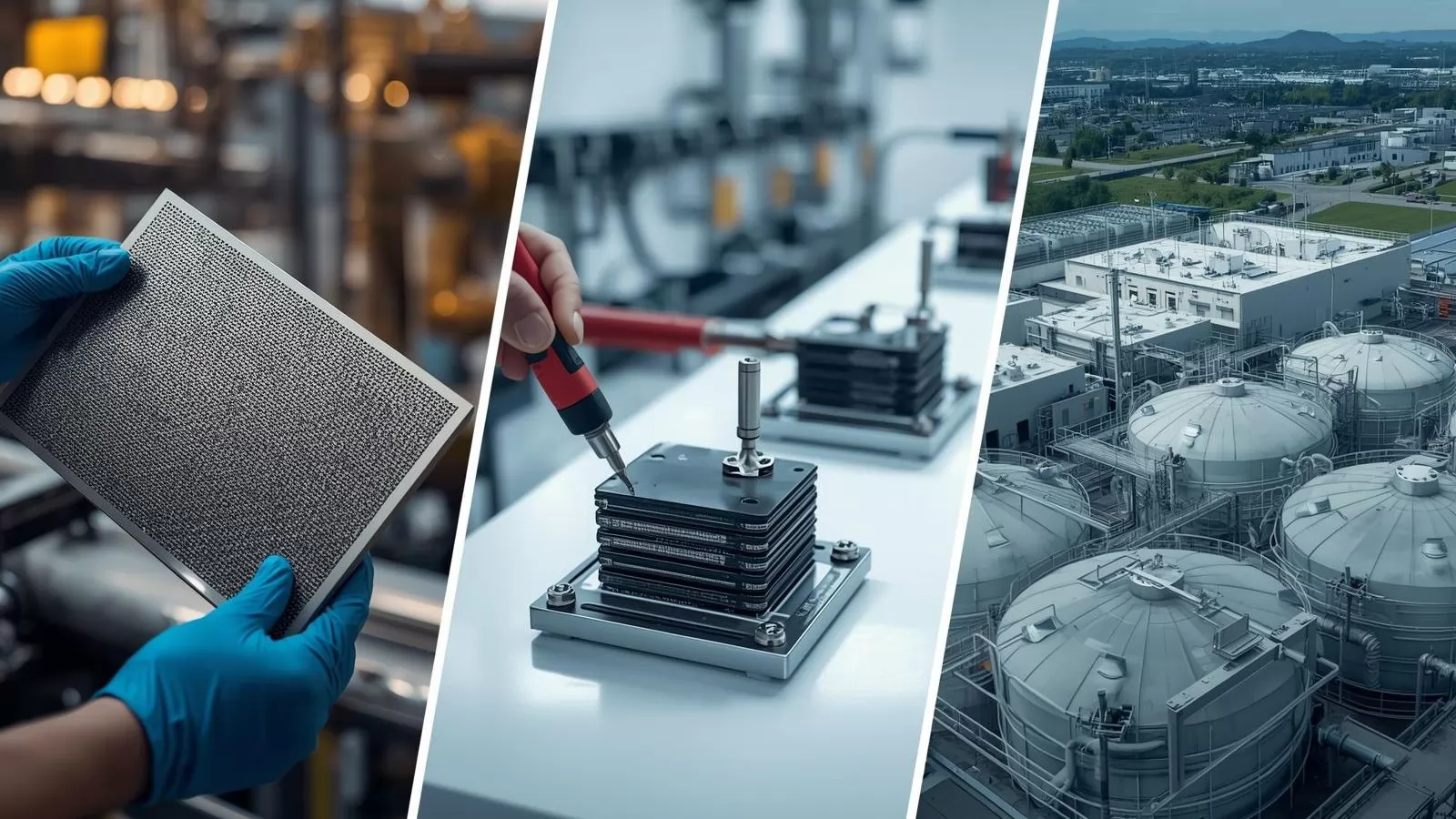
Supply Your Sodium Hypochlorite Generators with the Right Titanium Anode — Ru–Ir MMO, Gr1/Gr2, OEM Ready
JH Ti Anode has supplied titanium anode assemblies for drinking water disinfection systems to 1,000+ customers across 60+ countries since 2009. Ru–Ir MMO coated, double-layer 3D structure, ≥ 90% current efficiency, recoatable substrate. Custom dimensions, electrode stack configurations, and complete electrolytic cell packages available for OEM sodium hypochlorite generator manufacturers.
Frequently Asked Questions
What type of titanium anode is used in sodium hypochlorite generators for drinking water disinfection?
Ru–Ir MMO (ruthenium-iridium mixed metal oxide) coated titanium, designated as a DSA (Dimensionally Stable Anode), is the industry-standard titanium anode for sodium hypochlorite generators used in drinking water disinfection. The Ru–Ir coating provides low chlorine evolution overpotential (≤ 0.15 V) and high current efficiency (≥ 90%), making it the electrochemically optimal choice for NaCl electrolysis to produce NaClO. The titanium substrate — Gr1 or Gr2 — provides corrosion resistance and dimensional stability over continuous operating cycles without dissolving or contaminating the NaClO output stream.
How long does a titanium anode last in a sodium hypochlorite generator?
Service life depends on operating current density, electrolyte NaCl concentration, temperature, and whether periodic current reversal is applied for scale removal. At typical drinking water generator operating conditions — current density 500–1,500 A/m², NaCl concentration 3–5% — Ru–Ir MMO coated titanium anodes achieve multi-year service before recoating is required. The end-of-life indicator is a rising cell voltage trend at constant current, reflecting increased overpotential as the coating depletes. The titanium substrate itself is durable and can be chemically stripped and recoated multiple times, significantly reducing total cost of ownership compared to consumable anode materials such as graphite.
Can titanium anodes contaminate the sodium hypochlorite output used for drinking water?
No. Ru–Ir MMO coated titanium anodes are dimensionally stable — the electrode does not dissolve or undergo significant material loss during normal electrolysis operation. The coating consumption rate is extremely low, measured in milligrams per ampere-year. There is no risk of titanium, ruthenium, or iridium ion leaching into the NaClO output at concentrations relevant to drinking water treatment. This zero-contamination characteristic is the primary regulatory and safety reason that titanium DSA electrodes have completely replaced graphite and lead-based anodes in all drinking water disinfection systems — both of which introduce material contamination into the disinfectant output stream.
What is the difference between a plate-type and tube-type titanium anode for sodium hypochlorite generators?
In plate-type electrolytic cells, flat titanium anode plates are stacked in parallel with both faces electrochemically active, maximizing electrode area per unit cell volume. This is the standard configuration for industrial and municipal-scale NaClO generators. In tube-type cells, cylindrical titanium anodes are used with only the outer surface active, which reduces volumetric efficiency but can simplify cell sealing and electrolyte flow geometry for smaller-scale systems. Plate configurations are preferred for high-output drinking water disinfection systems where electrode area density and NaClO production rate per cell volume are primary design parameters. JH Ti Anode supplies both plate and tubular anode configurations to OEM generator manufacturers according to the specified electrolytic cell design.
Does JH Ti Anode supply complete electrolytic cell assemblies or only individual anode components?
JH Ti Anode supplies both individual titanium anode components — plates, mesh, rod, and tubular formats — and complete electrolytic cell assemblies for OEM sodium hypochlorite generator manufacturers. Complete cell packages include titanium anode plates, titanium cathode plates, bipolar electrodes, titanium bus plates, titanium flanges, terminal posts, and all insulating hardware. Custom electrode dimensions, stack electrode counts, and current density ratings are available based on the generator's NaClO output capacity requirement (kg active chlorine per hour). To receive a technical proposal, contact umi.ma@jstitanium.com with the generator output capacity, operating current density, and electrolyte NaCl concentration.
0
Comments
Leave a Comment
Your email address will not be published. Required fields are marked *
Name can't be empty
Email error!
Message can't be empty
😍
😜
😳
😌
😄
😘
😝
😒
😃
😚
😚
😛
😟
😧
😀
😉
😓
😱
😤
😣
😂
😥
😩
😠
😢
😭
😰
😨
😡
😆
😪
😅
😐
😇
😋
😴
👿
😕
😏
😷
😵
😟
😮
😯
😑
👧
👴
😧
😬
😾
👶
👱
👵
👸
🙀
👺
👦
👩
👨
😽
😿
🙈
💩
💥
💤
😼
😹
🙉
🔥
✨
💦
👎
✌
👆
👈
💪
💹
👍
👊
💴
💶
💷
💸
👉
💵
🙏
🌎
🏧
👏
💳
👇
💑
🙆
🙅
💁
👫
👭
🙎
🙇
👑
👔
Submit Comment
Most Popular
-
 Dec 23, 2025Top 10 Titanium Anode Manufacturers in 2026
 -
 Dec 17, 2025MMO Coated Titanium Anodes vs Traditional Anodes: Complete Comparison
 -
 Oct 29, 2025What is a Titanium Anode (Complete Guide)
 -
 Dec 25, 2025Titanium Anodes vs Graphite Anodes: Service Life and Cost Analysis


Laster Blogs
-
 Sep 10, 2026Titanium Tubular Anode: Types, Applications, Specifications & Selection Guide
 -
 Jul 30, 2026The Definitive Buyer’s Guide to MMO Coated Titanium Anodes (2026 Edition)
 -
 Jul 28, 2026Platinum-Coated Titanium Anodes: A Practical Buyer’s Guide to Selection & Specification
 -
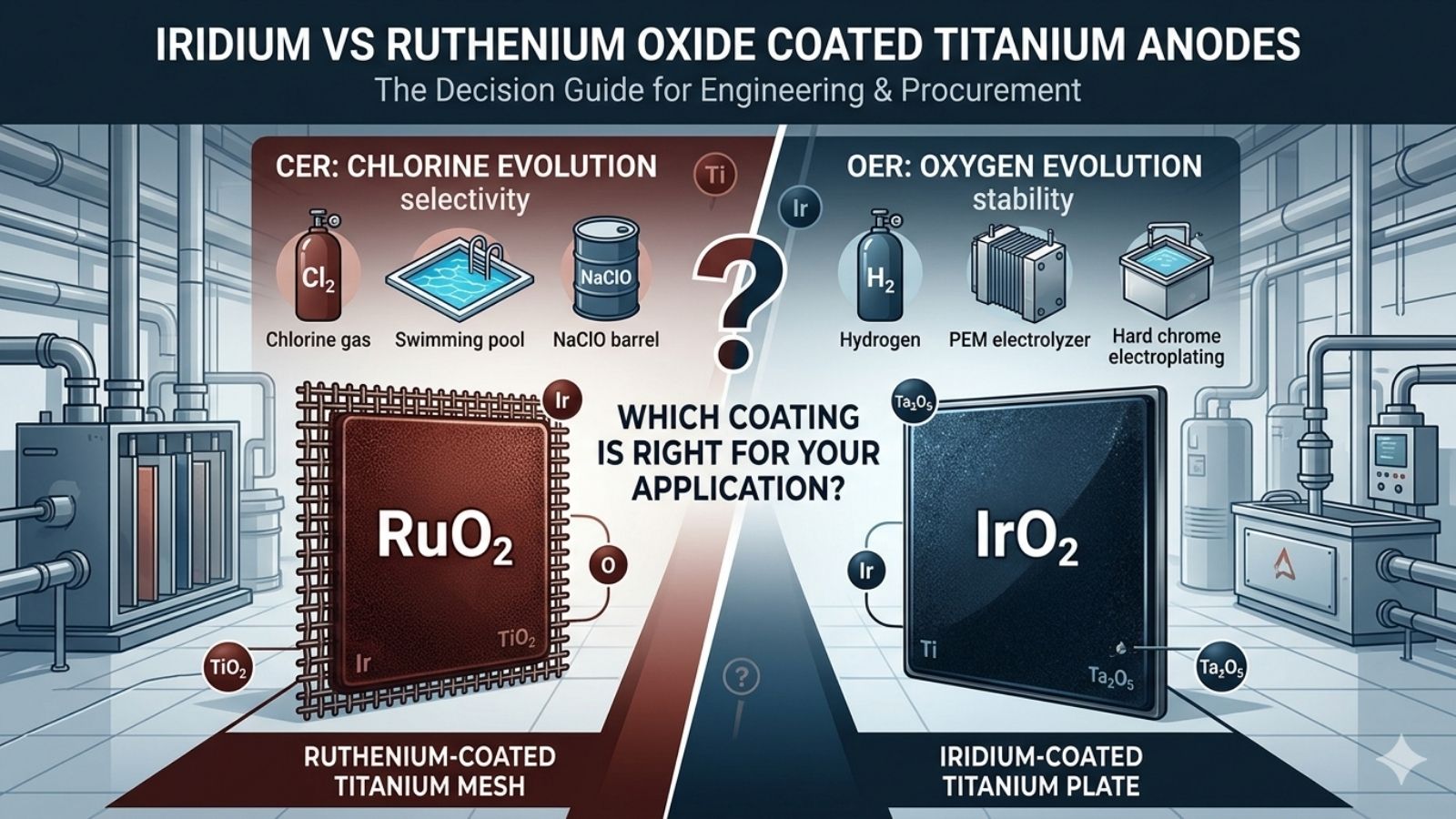 Apr 20, 2026Iridium Oxide vs Ruthenium Oxide Coated Titanium Anodes: Which Coating Is Right for Your Application?


Set A Consultation Today
Name can't be empty
Email error!
Send Your Message
*We respect your confidentiality and all
information are protected.
