Platinum-Coated Titanium Anodes: A Practical Buyer’s Guide to Selection & Specification

In industrial electrochemistry, electrode selection rarely comes down to simple upfront purchase price. The anode you select directly dictates operating voltage, chemical bath stability, maintenance cycles, and overall process efficiency.
While raw titanium provides structural stability, adding an electrocatalytic platinum coating creates an anode engineered for aggressive chemical environments. However, performance varies significantly based on coating thickness, substrate surface preparation, and operational parameters.
This guide outlines the core engineering principles of platinum-coated titanium anodes, key performance tradeoffs, and how to properly specify an electrode for your process.
What Is a Platinum-Coated Titanium Anode?
Structurally, the electrode features a Grade 1 or Grade 2 pure titanium base that provides mechanical strength and corrosion resistance, topped with an electrochemically active metallic platinum layer.
Solid platinum electrodes are prohibitively expensive and mechanically soft. Combining a titanium base with a thin platinum exterior yields an electrode with high mechanical strength, dimensional stability, and superior catalytic efficiency at a fraction of the cost.
Substrate vs. Coating Functions
-
Titanium Substrate (Grade 1 or Grade 2): Provides mechanical structure and electrical conductivity. In aggressive acidic baths, titanium forms a self-healing passive oxide film ($TiO_2$) that prevents substrate dissolution even if microscopic pinholes develop in the coating.
-
Platinum Layer: Functions as the electrochemically active surface. Platinum exhibits exceptionally low overpotential for oxygen and chlorine evolution, excellent electrical conductivity, and high chemical resistance across a broad pH spectrum.
Working Principle
When electrical current passes through the anode, electrons transfer into the electrolyte exclusively through the platinum surface where oxidation reactions occur. Because the titanium base does not dissolve or deform over time, current density across the cell remains uniform—a critical requirement for high-precision operations like precious metal electroplating.
Key Advantages Over Traditional Anodes
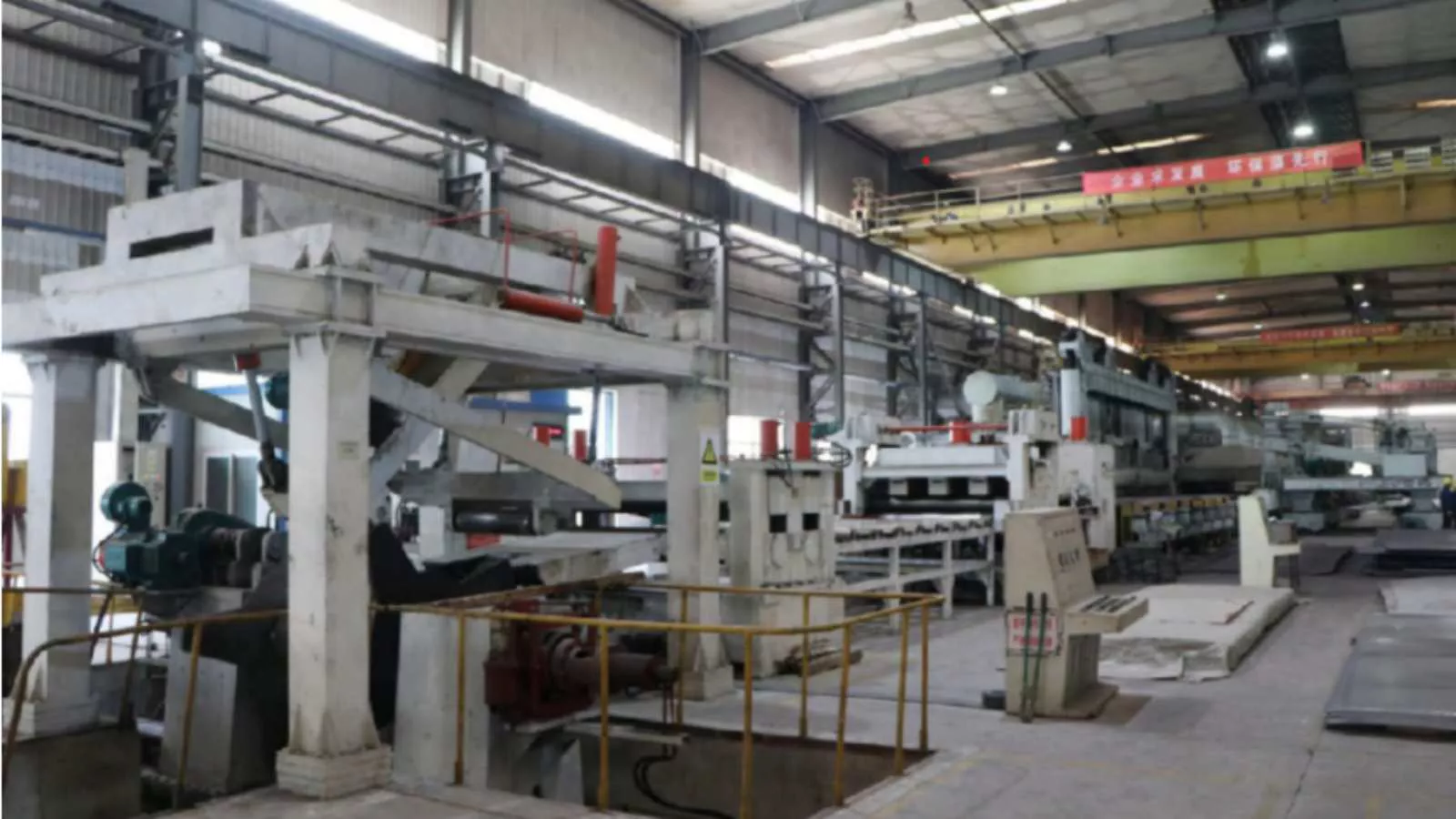
Compared to legacy lead alloy, graphite, or steel electrodes, platinum-coated titanium offers clear operational benefits:
-
Dimensional Stability: Unlike consumable lead or graphite anodes that slough off sludge and alter cell geometry, titanium anodes maintain fixed dimensions, ensuring predictable current distribution.
-
Zero Bath Contamination: Platinum's chemical stability prevents active metal dissolution, keeping sensitive electrolytes and plated parts free from contamination.
-
Energy Savings: Platinum's low overpotential lowers the operating cell voltage, directly reducing energy consumption per unit of production yield.
-
Resilience in Harsh Chemistry: Operates reliably in aggressive acidic media—including chromic acid, nitrates, and mild fluorides—where alternative materials degrade rapidly.
Critical Selection Criteria: How to Specify the Right Anode
Selecting an anode requires matching material specifications to your real-world chemical and electrical parameters. Standard off-the-shelf anodes often fail prematurely if placed in incompatible environments.
1. Platinum Coating Thickness & Application Method
Coating thickness is the primary factor governing operational lifespan. Commercial coatings typically range from 0.5 µm to 5.0 µm.
-
Light Coatings (0.5 – 1.5 µm): Best suited for low current density, batch processing, or intermittent duty cycles.
-
Heavy Coatings (2.5 – 5.0 µm+): Essential for continuous, high-amperage industrial operations.
Engineering Tip: Verify the coating application method with your supplier. Electrodeposition yields dense, uniform layers, while thermal decomposition or cladding works well for ultra-thick application requirements.
2. Substrate Quality & Surface Preparation
The bond between platinum and titanium depends on proper pre-treatment. Before coating, the titanium substrate must undergo mechanical sandblasting and chemical etching to create a uniform, micro-rough surface profile. Inadequate surface preparation leads to early coating delamination under electrical stress.
3. Operating Environment Parameters
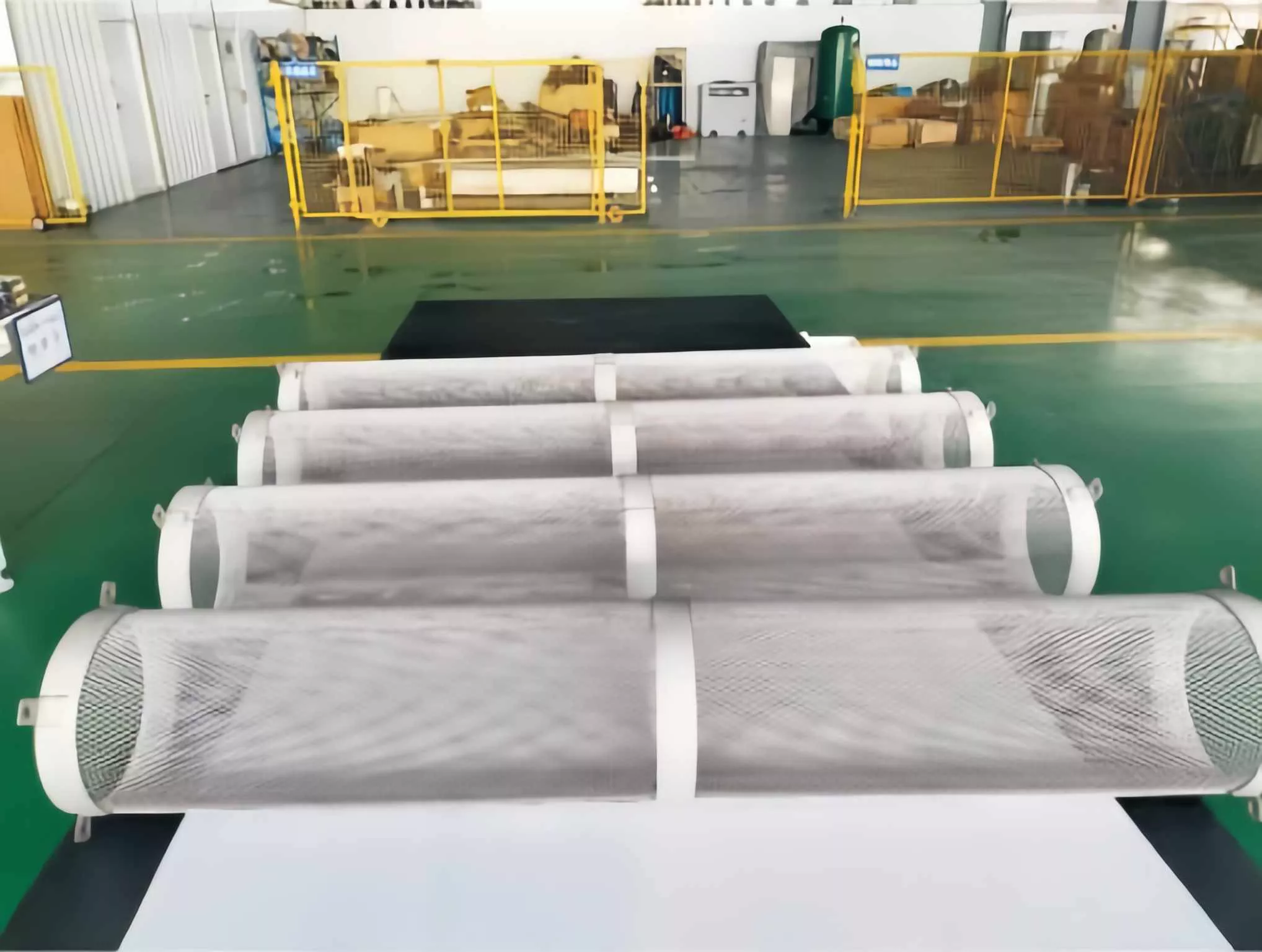
Map out your operational conditions before placing an order:
-
Current Density: High current densities accelerate platinum consumption, requiring thicker initial coating layers.
-
Electrolyte Composition: Trace fluorides can compromise titanium's passive oxide layer. If fluorides are present, special substrate pre-treatments or alternative alloys are necessary.
-
Bath Temperature: Temperatures exceeding 60°C accelerate chemical reaction kinetics, placing higher demands on coating integrity.
-
Polarity Reversal: Standard platinum anodes are engineered for unidirectional anodic current. If your process relies on periodic reverse current, inform your manufacturer so the coating process can be adapted.
Platinum-Coated vs. MMO Titanium Anodes
While both options rely on titanium bases, their catalytic active layers serve different operational requirements.
| Feature | Platinum-Coated Titanium | MMO Titanium |
|---|---|---|
| Active Material | Metallic Platinum | Mixed Iridium / Ruthenium Oxide |
| Catalytic Characteristics | High-precision catalytic activity | High general oxidation catalytic activity |
| Primary Use Cases | Acidic baths, precious metal plating, high-purity cells | Seawater, cathodic protection, chlor-alkali, wastewater |
| Fluoride Resistance | Moderate (requires monitoring) | Poor (susceptible to acid-fluoride attack) |
| Reverse Current Tolerance | High tolerance to accidental reversal | Vulnerable to polarity reversal |
| Cost Profile | Higher initial investment | Lower initial investment |
Primary Industrial Applications
-
Electroplating & Surface Finishing: Widely used in precious metal electroplating (gold, platinum, rhodium) and hard chrome plating. Dimensional stability prevents plating thickness variations across complex geometric parts.
-
Advanced Water Treatment: In electro-oxidation systems, platinum anodes generate powerful hydroxyl radicals capable of breaking down complex organic pollutants without secondary chemical additives.
-
Hydrogen Production & Water Electrolysis: Serves as an efficient electrocatalyst in PEM electrolyzers and water-splitting units, lowering overpotential and driving oxygen evolution reactions efficiently over extended cycles.
How to Evaluate a Reliable Manufacturer
Because coating micro-defects are impossible to detect visually, vendor selection is vital to long-term performance.
Key Evaluation Criteria:
-
Quality & Adhesion Testing: Confirm whether the supplier performs bend testing, thermal shock testing, and X-ray fluorescence (XRF) coating thickness verification.
-
Custom Fabrication Capabilities: Industrial cells frequently require custom shapes—expanded mesh, perforated plates, tubes, or internal tank geometries. Choose a vendor equipped for custom machining and coating.
-
Technical Advisory Support: A qualified manufacturer evaluates your bath chemistry, temperature, and current density to recommend optimized coating weights rather than standard off-the-shelf inventory.
- Manufacturer Spotlight: Suppliers like JH Ti Anode specialize in custom-engineered titanium anodes for industrial electrochemistry. By combining tailored substrate fabrication with precise coating application, they supply application-specific anode solutions for plating, water treatment, and electrolysis systems worldwide.
Conclusion
Selecting the ideal platinum-coated titanium anode is a critical engineering decision that directly impacts cell efficiency, chemical bath longevity, and overall operational costs. While parameters like coating thickness, substrate pre-treatment, and operating current density dictate electrode lifespan, working with a trusted manufacturer ensures your anodes are built to withstand your specific chemical environment.
At JH Ti Anode, we specialize in custom-engineering high-performance titanium anodes for demanding applications across electroplating, advanced wastewater treatment, and hydrogen electrolysis systems. Backed by strict quality assurance—including XRF coating thickness verification, thermal shock testing, and precise substrate preparation—our team delivers durable, cost-effective electrode solutions tailored to your exact specifications.
Ready to optimize your electrochemical system? Contact JH Ti Anode today to speak with our technical team, request custom engineering drawings, or get a competitive quote for your next project.
Ready to Optimize Your Hydrogen Production?
Discover how our premium platinium anodes can enhance the efficiency of your PEM water electrolysis system.
Frequently Asked Questions
How long does a platinum-coated titanium anode last?
Lifespan ranges from 1 to over 10 years, depending on coating thickness, current density, operating temperature, and bath purity.
What causes premature coating failure?
Common causes include mechanical abrasion, fluoride contamination in the bath, unmanaged reverse current, or poor initial substrate etching.
Can worn platinum-coated anodes be refurbished?
Yes. In most cases, worn anodes can be stripped, re-etched, and re-coated with a fresh layer of platinum, saving significant capital compared to buying new substrates.
How do I choose the right platinum coating thickness?
For standard plating under moderate current density, 1.5 to 2.5 µm is typical. Heavy industrial electrolysis or aggressive chemical processes generally require 3.0 to 5.0 µm.
0
Comments
Leave a Comment
Your email address will not be published. Required fields are marked *
Name can't be empty
Email error!
Message can't be empty
😍
😜
😳
😌
😄
😘
😝
😒
😃
😚
😚
😛
😟
😧
😀
😉
😓
😱
😤
😣
😂
😥
😩
😠
😢
😭
😰
😨
😡
😆
😪
😅
😐
😇
😋
😴
👿
😕
😏
😷
😵
😟
😮
😯
😑
👧
👴
😧
😬
😾
👶
👱
👵
👸
🙀
👺
👦
👩
👨
😽
😿
🙈
💩
💥
💤
😼
😹
🙉
🔥
✨
💦
👎
✌
👆
👈
💪
💹
👍
👊
💴
💶
💷
💸
👉
💵
🙏
🌎
🏧
👏
💳
👇
💑
🙆
🙅
💁
👫
👭
🙎
🙇
👑
👔
Submit Comment
Most Popular
-
 Dec 23, 2025Top 10 Titanium Anode Manufacturers in 2026
 -
 Dec 17, 2025MMO Coated Titanium Anodes vs Traditional Anodes: Complete Comparison
 -
 Oct 29, 2025What is a Titanium Anode (Complete Guide)
 -
 Dec 25, 2025Titanium Anodes vs Graphite Anodes: Service Life and Cost Analysis


Laster Blogs
-
 Sep 10, 2026Titanium Tubular Anode: Types, Applications, Specifications & Selection Guide
 -
 Jul 30, 2026The Definitive Buyer’s Guide to MMO Coated Titanium Anodes (2026 Edition)
 -
 Jul 28, 2026Platinum-Coated Titanium Anodes: A Practical Buyer’s Guide to Selection & Specification
 -
 Apr 20, 2026Iridium Oxide vs Ruthenium Oxide Coated Titanium Anodes: Which Coating Is Right for Your Application?


Set A Consultation Today
Name can't be empty
Email error!
Send Your Message
*We respect your confidentiality and all
information are protected.
