Titanium Tubular Anode: Types, Applications, Specifications & Selection Guide

A titanium tubular anode is a cylindrical titanium electrode designed for electrochemical systems where controlled current distribution, compact geometry, and corrosion resistance are required. Depending on the application, the titanium tube can be coated with mixed metal oxides, ruthenium- or iridium-based oxides, platinum, or other electrochemically active materials.
Tubular anodes are used in cathodic protection, water treatment, sodium hypochlorite generation, electroplating, and other electrochemical systems. For engineers and purchasing teams, selecting the right tubular anode requires more than choosing a tube diameter. Substrate grade, coating system, active area, current demand, electrolyte, connection method, operating temperature, and expected service life all affect the final configuration.
This guide explains the main types of titanium tubular anodes, their applications, key specifications, and the information suppliers need to develop a suitable solution.
What Is a Titanium Tubular Anode?
A titanium tubular anode consists of a titanium tube substrate covered with an electrically active coating. The titanium provides the mechanical structure and corrosion-resistant substrate, while the surface coating performs the primary electrochemical function.
Titanium Substrate and Active Coating
Titanium Grade 1 and Grade 2 are commonly used as substrates for titanium anodes. The appropriate grade depends on the mechanical and operating requirements of the system. The active coating is selected according to the electrolyte, electrochemical reaction, current requirement, and operating conditions. Common coating systems include mixed metal oxide (MMO), ruthenium oxide, iridium oxide, and platinum. Unlike a bare titanium tube, a coated tubular anode is designed to provide an electrochemically active surface while maintaining the structural advantages of titanium.
How the Tubular Structure Works
The cylindrical geometry provides a compact active surface and can be adapted to different cell or cathodic protection configurations. A tubular anode may be installed individually or incorporated into an anode assembly. Depending on the design, tubes can be arranged in parallel or series and supplied with different connection structures. This geometry is particularly useful where installation space is limited or where the anode needs to fit into a cylindrical, submerged, buried, or customized system.
Why Choose a Tubular Anode?
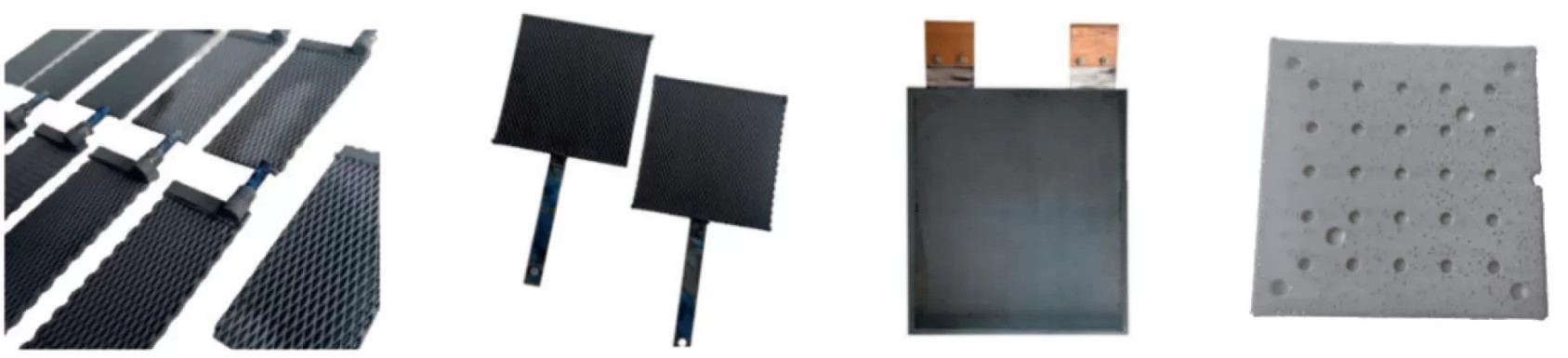
The most suitable anode shape depends on the application. Tubular, plate, mesh, rod, and ribbon configurations each have different installation and performance characteristics.
Tubular vs. Plate Anodes
Plate anodes provide a relatively large flat active surface and are useful in many electrochemical cells. Tubular anodes, by contrast, provide a cylindrical active surface that can be advantageous in narrow or distributed installation environments. Tubular designs can be integrated into:
- Cylindrical electrochemical cells
- Confined installation areas
- Cathodic protection systems
- Water-treatment equipment
- Sodium hypochlorite generators
- Custom electrode assemblies
Tubular vs. Rod and Ribbon Anodes
Rod anodes generally have a smaller cylindrical cross-section, while tubular anodes can be manufactured with different diameters, lengths, wall thicknesses, and connection structures. Ribbon anodes are often selected when long, flexible, or distributed electrode coverage is required. A tubular anode is generally more suitable when a rigid cylindrical electrode is needed.
| Anode Form | Typical Advantage | Common Consideration |
|---|---|---|
| Tubular | Compact cylindrical geometry | Diameter, length, and connection |
| Plate | Large flat surface | Installation space |
| Rod | Small cylindrical profile | Active surface area |
| Ribbon | Flexible or distributed installation | Mechanical support |
The correct geometry should be determined together with the required current output, installation method, and available space.
Titanium Tubular Anode Coating Options
The coating is one of the most important components of a titanium tubular anode. Different electrochemical reactions require different coating systems.
MMO and Ruthenium-Iridium Coatings
Mixed metal oxide coatings are widely used for titanium anodes because their composition can be engineered for different electrochemical reactions. JH Ti Anode manufactures high-performance MMO coated titanium anode products with titanium substrates and oxide-based active coatings. Depending on the configuration, MMO systems can be used for corrosion protection, seawater applications, electroplating, chlor-alkali processes, and other electrochemical systems. MMO tubular anodes are commonly considered for impressed current cathodic protection and other electrochemical applications where a coated titanium substrate is required.
For chloride-containing environments and chlorine-related applications, ruthenium- and iridium-based oxide systems can also be considered. JH Ti Anode's ruthenium-coated titanium anode can be manufactured in tube, rod, mesh, and plate configurations. Its coating system is designed for applications including chlor-alkali processes, seawater chlorine generation, disinfection, and sodium hypochlorite production.
Iridium-Based Coatings
Iridium-based MMO coatings are commonly considered when the system requires strong oxygen-evolution performance or demanding electrochemical operating conditions. The final coating formulation should be selected according to the electrolyte and target reaction. Iridium loading, coating thickness, current density, temperature, and operating cycle should be evaluated together rather than selecting a coating solely by material name. For applications involving oxygen or chlorine evolution, the coating chemistry should be matched carefully to the actual operating environment.
Platinum Coatings
Platinum-coated titanium is another option for applications requiring a highly active and corrosion-resistant electrode surface. JH Ti Anode manufactures durable platinum-coated titanium anode configurations in forms including tubes, rods, plates, and meshes. The company lists applications including electroplating and hydrogen-related electrochemical processes. For procurement projects, platinum loading should be specified together with the substrate, geometry, operating conditions, and required electrode performance.
Applications of Titanium Tubular Anodes
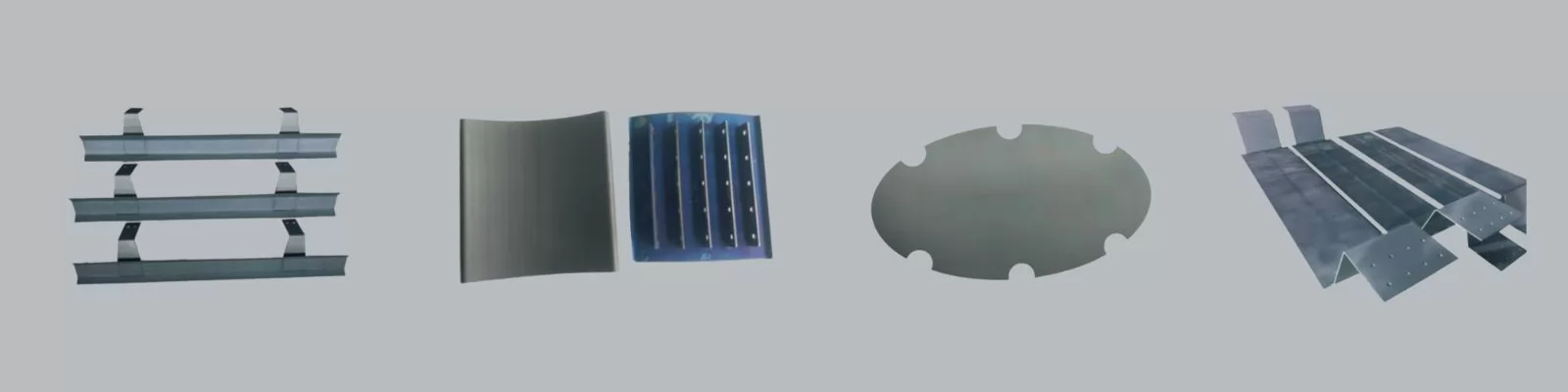
Tubular titanium anodes can be adapted to several electrochemical applications. However, the required coating and geometry can be substantially different from one application to another.
Cathodic Protection
Cathodic protection is one of the major applications for MMO tubular anodes. In an impressed current cathodic protection (ICCP) system, the anode supplies current to protect a metal structure from corrosion. Tubular anodes can be installed in soil, seawater, tanks, pipelines, offshore structures, and other environments where a distributed anode arrangement is required.
Typical protected structures include: Pipelines, storage tanks, marine structures, water-intake systems, buried metallic structures, and offshore equipment.
For cathodic protection, the anode design should be based on the required current output, electrolyte resistivity, installation environment, anode bed configuration, and target design life. A tubular anode intended for seawater protection may require a different coating and configuration from one designed for a deep-ground-bed installation.
Water and Wastewater Treatment
Titanium anodes are also used in electrochemical water and wastewater treatment. Depending on the treatment process, the electrode may support oxidation, disinfection, chlorine generation, or other electrochemical reactions. Tubular geometry can be useful in compact treatment cells or customized electrode assemblies.
The correct coating should be selected according to the water chemistry and desired reaction. Chloride concentration, pH, temperature, current density, and treatment target should all be considered during electrode design.
Sodium Hypochlorite Generation
Tubular titanium anodes are particularly relevant to electrochemical sodium hypochlorite generation systems. In these systems, saltwater is electrolyzed to produce active chlorine compounds used for disinfection. The cylindrical anode geometry can be integrated into compact electrolytic cells and customized cell assemblies.
JH Ti Anode supplies reliable titanium anodes for sodium hypochlorite generation in both plate and tubular configurations, customizing dimensions, electrode quantities, and current-related parameters according to equipment design.
Electrochemical and Electroplating Systems
Tubular electrodes can also be used in specialized electroplating and electrochemical equipment. Their cylindrical form can be useful when the electrode needs to fit around or inside a particular workpiece or when the cell has a non-flat geometry.
For electroplating projects, the coating material, active area, current distribution, electrolyte composition, and distance between the anode and cathode should be considered together.
Key Specifications of a Titanium Tubular Anode
A tubular anode should be specified as an engineered component rather than simply as a titanium tube. The following parameters are typically important during supplier selection:
- Titanium Grade: The titanium substrate grade affects mechanical properties, corrosion resistance, and manufacturing requirements. Grade 1 and Grade 2 are common options, but the final selection depends on the application.
- Tube Diameter and Length: Outer diameter and overall length determine the available active area and influence how the anode fits into the equipment. For cathodic protection systems, dimensions may also affect current distribution and installation configuration.
- Wall Thickness: Wall thickness should provide sufficient mechanical strength without adding unnecessary material. The required value depends on tube dimensions, installation method, pressure, handling, and operating environment.
- Coating Type and Loading: Specify the coating chemistry and, where applicable, coating loading or thickness. Typical options include MMO, Ru-based MMO, Ir-based MMO, Pt, and application-specific oxide systems. Coating selection should be based on the required electrochemical reaction rather than simply choosing the most expensive material.
- Current Density and Output: Current density is critical because the same tubular anode geometry can be used in systems with very different electrical requirements. JH Ti Anode lists application-dependent operating ranges for different coating products. These values should not be treated as universal ratings for every tubular configuration.
- Connection Method: Electrical connection is another important specification. Depending on the installation, manufacturers may provide threaded ends, welded connections, cables, terminals, or customized connection structures.
- Expected Service Life: Design life depends on coating chemistry, coating loading, current density, electrolyte, temperature, duty cycle, and operating conditions. A supplier should therefore evaluate service life based on the complete operating environment instead of providing a generic lifetime figure.
How to Select the Right Titanium Tubular Anode
Use the following steps to match the anode with the application.
1
Step 1: Define the Application
First determine what the anode must accomplish. Is it intended for cathodic protection, chlorine generation, water treatment, electroplating, or another electrochemical process? The application determines the likely coating family and electrode configuration.
2
Step 2: Identify the Electrolyte
Provide information about the working medium, including freshwater, seawater, brine, chloride-containing solution, industrial wastewater, electroplating solution, or other process electrolytes.
pH, chloride concentration, conductivity, temperature, and contaminants may also affect coating selection.
3
Step 3: Select the Coating
Once the application and electrolyte are defined, compare MMO, Ru-based, Ir-based, Pt, or other suitable coating systems. If two coatings appear technically suitable, compare their expected service life, current requirements, operating temperature, and total project cost.
4
Step 4: Calculate Current and Active Area
The required current determines the necessary active electrode area and configuration. Avoid selecting a tubular anode only from its physical dimensions. Current density and coating performance need to be considered at the same time.
5
Step 5: Confirm Geometry and Connection
Finally, confirm tube diameter, tube length, wall thickness, number of tubes, spacing, connection type, cable or terminal requirements, and installation method.
For custom assemblies, providing a drawing or dimensional specification can significantly reduce communication errors during production.
What Information Should You Provide When Ordering a Titanium Tubular Anode?
A complete RFQ should include as much of the following information as possible:
RFQ Checklist for Procurement Engineering
- Application: Cathodic protection, water treatment, sodium hypochlorite, electroplating, etc.
- Electrolyte: Seawater, freshwater, brine, wastewater, or process solution.
- Operating conditions: Temperature, pH, chloride concentration, and other relevant chemistry.
- Electrical requirements: Total current, current density, voltage, or expected output.
- Dimensions: Diameter, length, wall thickness, and quantity.
- Coating: Preferred coating or required electrochemical reaction.
- Connection: Cable, terminal, threaded end, welded end, or custom structure.
- Service target: Expected operating life and duty cycle.
- Drawings: Technical drawings or existing electrode samples when available.
Providing these details allows the manufacturer to recommend an optimized configuration and develop tailored custom titanium anode solutions instead of simply quoting a standard tube.
Custom Titanium Tubular Anodes from JH Ti Anode

For projects requiring non-standard dimensions, coating systems, or electrode assemblies, JH Ti Anode provides professional OEM/ODM manufacturing.
Custom Geometry
JH Ti Anode can customize tubular electrode dimensions, shapes, connection structures, and other mechanical requirements according to equipment drawings or project specifications.
Coating Selection
Available coating solutions include MMO, Ru-Ir systems, Pt, PbO₂, and other application-specific configurations. The coating should be selected according to the intended electrochemical reaction and operating environment.
OEM/ODM Manufacturing
JH's manufacturing capabilities cover titanium fabrication, machining, surface preparation, coating, assembly, and quality control. Custom projects can be developed from drawings, technical specifications, or application requirements.
Quality Testing
Quality control can include substrate dimensions, coating condition, electrical characteristics, and other parameters relevant to the finished electrode. For projects where standard catalog dimensions do not match the equipment design, working directly with an anode manufacturer can simplify technical communication and customization.
Need a Custom Titanium Tubular Anode Solution?
Send JH Ti Anode your application, electrolyte, current requirements, tube dimensions, coating preference, and connection details. The engineering team can evaluate the configuration and provide a custom solution based on your system requirements.
Contact: umi.ma@jstitanium.com | +86 15332291991
Frequently Asked Questions
What is a titanium tubular anode used for?
Titanium tubular anodes are used in cathodic protection, water treatment, sodium hypochlorite generation, electroplating, and other electrochemical systems. The exact application determines the required coating and configuration.
What coating is used on titanium tubular anodes?
Common options include MMO, ruthenium-based MMO, iridium-based coatings, and platinum. The appropriate coating depends on the electrolyte, electrochemical reaction, current density, temperature, and required service life.
How long does a titanium tubular anode last?
There is no single service-life value for all tubular anodes. Lifetime depends on coating type and loading, current density, electrolyte, temperature, operating cycle, and system design. A manufacturer should evaluate expected life using the actual operating conditions.
What is the difference between tubular and ribbon anodes?
Tubular anodes have a rigid cylindrical structure, while ribbon anodes are thin and flexible. Tubular designs are suitable for compact or cylindrical installations, whereas ribbon anodes can be useful when distributed or flexible electrode coverage is required.
Can titanium tubular anodes be customized?
Yes. Manufacturers can customize tube diameter, length, wall thickness, coating, connection structure, cable arrangement, and assembly configuration according to project requirements. OEM production is particularly useful for equipment manufacturers and systems integrators.
Conclusion
A titanium tubular anode combines a corrosion-resistant titanium substrate with an electrochemically active coating in a compact cylindrical configuration. Its suitability depends on more than tube dimensions: coating chemistry, current density, electrolyte, operating temperature, connection method, and expected service life must all be evaluated. For procurement, start with the application and operating environment, then specify the coating, electrical requirements, geometry, and connection structure. When standard products do not match the equipment design, a manufacturer with custom coating and OEM/ODM capabilities can develop a titanium tubular anode around the actual system requirements.
0
Comments
Leave a Comment
Your email address will not be published. Required fields are marked *
Name can't be empty
Email error!
Message can't be empty
😍
😜
😳
😌
😄
😘
😝
😒
😃
😚
😚
😛
😟
😧
😀
😉
😓
😱
😤
😣
😂
😥
😩
😠
😢
😭
😰
😨
😡
😆
😪
😅
😐
😇
😋
😴
👿
😕
😏
😷
😵
😟
😮
😯
😑
👧
👴
😧
😬
😾
👶
👱
👵
👸
🙀
👺
👦
👩
👨
😽
😿
🙈
💩
💥
💤
😼
😹
🙉
🔥
✨
💦
👎
✌
👆
👈
💪
💹
👍
👊
💴
💶
💷
💸
👉
💵
🙏
🌎
🏧
👏
💳
👇
💑
🙆
🙅
💁
👫
👭
🙎
🙇
👑
👔
Submit Comment
Most Popular
-
 Dec 23, 2025Top 10 Titanium Anode Manufacturers in 2026
 -
 Dec 17, 2025MMO Coated Titanium Anodes vs Traditional Anodes: Complete Comparison
 -
 Oct 29, 2025What is a Titanium Anode (Complete Guide)
 -
 Dec 25, 2025Titanium Anodes vs Graphite Anodes: Service Life and Cost Analysis


Laster Blogs
-
 Sep 10, 2026Titanium Tubular Anode: Types, Applications, Specifications & Selection Guide
 -
 Jul 30, 2026The Definitive Buyer’s Guide to MMO Coated Titanium Anodes (2026 Edition)
 -
 Jul 28, 2026Platinum-Coated Titanium Anodes: A Practical Buyer’s Guide to Selection & Specification
 -
 Apr 20, 2026Iridium Oxide vs Ruthenium Oxide Coated Titanium Anodes: Which Coating Is Right for Your Application?


Set A Consultation Today
Name can't be empty
Email error!
Send Your Message
*We respect your confidentiality and all
information are protected.
